How to Clean and Maintain Your Sauna Blanket (Complete Care Guide)
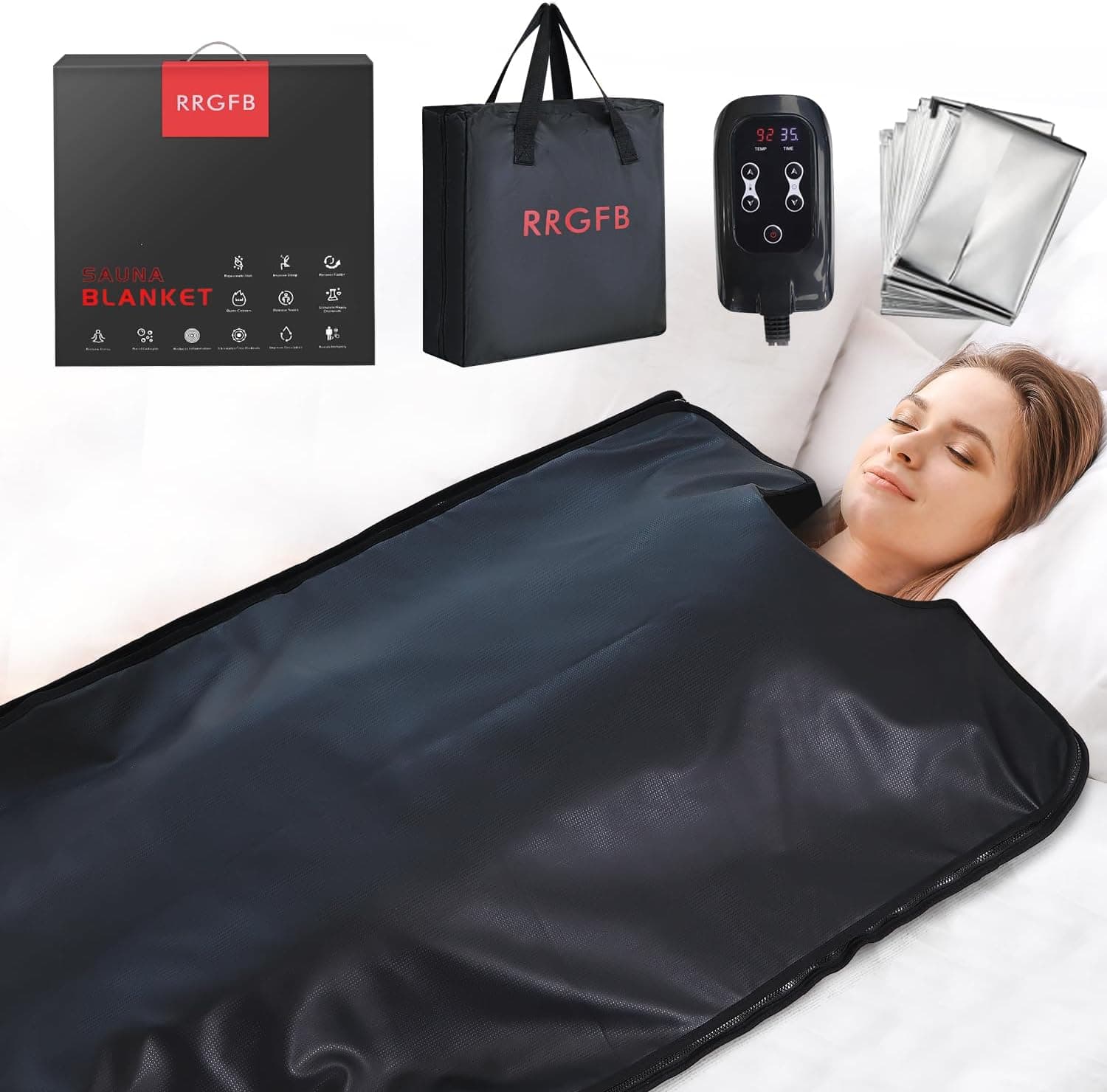
Sauna blankets are a meaningful investment in your wellness routine, but they also sit directly against your skin for 30 to 60 minutes at temperatures that can exceed 160°F. That combination produces sweat, body oils, and the warm, humid conditions that bacteria and odor-causing microbes genuinely love. After testing more than a dozen sauna blankets over the past two years, I can tell you that most premature failures I have seen - peeling inner linings, persistent odors, and cracked outer shells - come down to one thing: poor cleaning habits.
This guide walks you through exactly what to do after every session, how to perform a thorough weekly clean, and how the right approach differs depending on whether your blanket is made from PU leather, Oxford fabric, PVC, or polyester. I have also included a research note on bacterial risk, because the hygiene stakes here are higher than most blanket manufacturers acknowledge.
Why Proper Cleaning Actually Matters for Your Health
A 2017 study published on PubMed (PMID 28399388) documented the survival of Staphylococcus aureus on synthetic textile surfaces for periods exceeding 24 hours under humid conditions. Sauna blankets - sealed, warm, and rarely fully dry after a session - are nearly ideal environments for exactly this kind of microbial persistence. A second study (PMID 22512912) found that moist synthetic surfaces harbored significantly higher bacterial counts than dry ones, reinforcing why post-session drying is not optional.
The practical takeaway is straightforward. Skipping a wipe-down once or twice is unlikely to cause harm, but making it a habit creates a reservoir of bacteria and fungi that no amount of heat will fully neutralize.
After Every Session - The Non-Negotiable Wipe-Down
The moment you step out of your sauna blanket, do not zip it up and roll it away. That traps moisture and residual heat together, which accelerates both bacterial growth and material degradation.
Here is the routine I recommend and personally follow:
- Unzip fully and lay the blanket flat - inner surface facing up - for at least five minutes before touching it with a cloth.
- Wipe the inner lining with a damp cloth and a small amount of mild, fragrance-free soap. A dish soap like Dawn diluted to roughly 1 part soap to 10 parts water works well. Avoid heavily fragranced products because the scent compounds can interact with the heat-activated surface during your next session.
- Wipe again with a clean damp cloth to remove soap residue. Residue left on PU leather or PVC linings can cause cracking over repeated heat cycles.
- Leave the blanket open and unzipped in a well-ventilated area for at least 30 minutes before storage. A clothing rack or the back of a chair works fine. Direct sunlight can fade and degrade some materials, so indirect airflow is preferable.
This routine takes under five minutes. It makes the weekly deep clean significantly easier, and it is the single highest-impact habit for extending your blanket's lifespan.
Weekly Deep Cleaning - Going Beyond the Surface Wipe
Once per week - or after any session where you skipped the daily wipe - perform a more thorough clean.
For the inner lining surface: Use 70% isopropyl alcohol on a microfiber cloth. Seventy percent is the medically effective concentration for killing common skin bacteria and fungi; higher concentrations like 90%+ actually evaporate too quickly to be as effective, according to CDC disinfection guidelines. Wipe the entire inner surface methodically, overlapping your strokes so no section is missed.
For seams and zipper areas: These are the spots most people miss, and they trap the most biological material. Use a cotton swab dampened with diluted soap solution to clean along zipper teeth, then dry with a clean cotton swab. A small soft toothbrush works well for fabric seams.
For the outer shell: A damp cloth with mild soap is sufficient. Avoid soaking the outer surface; water can wick into the heating element housing near seams on lower-quality blankets.
Air dry completely before storing. This means at minimum one to two hours of open-air drying, not just until the surface feels dry to the touch. The inner foam or fabric layers beneath the lining retain moisture longer than the surface suggests.

EDITOR'S PICK FOR EASY CARE
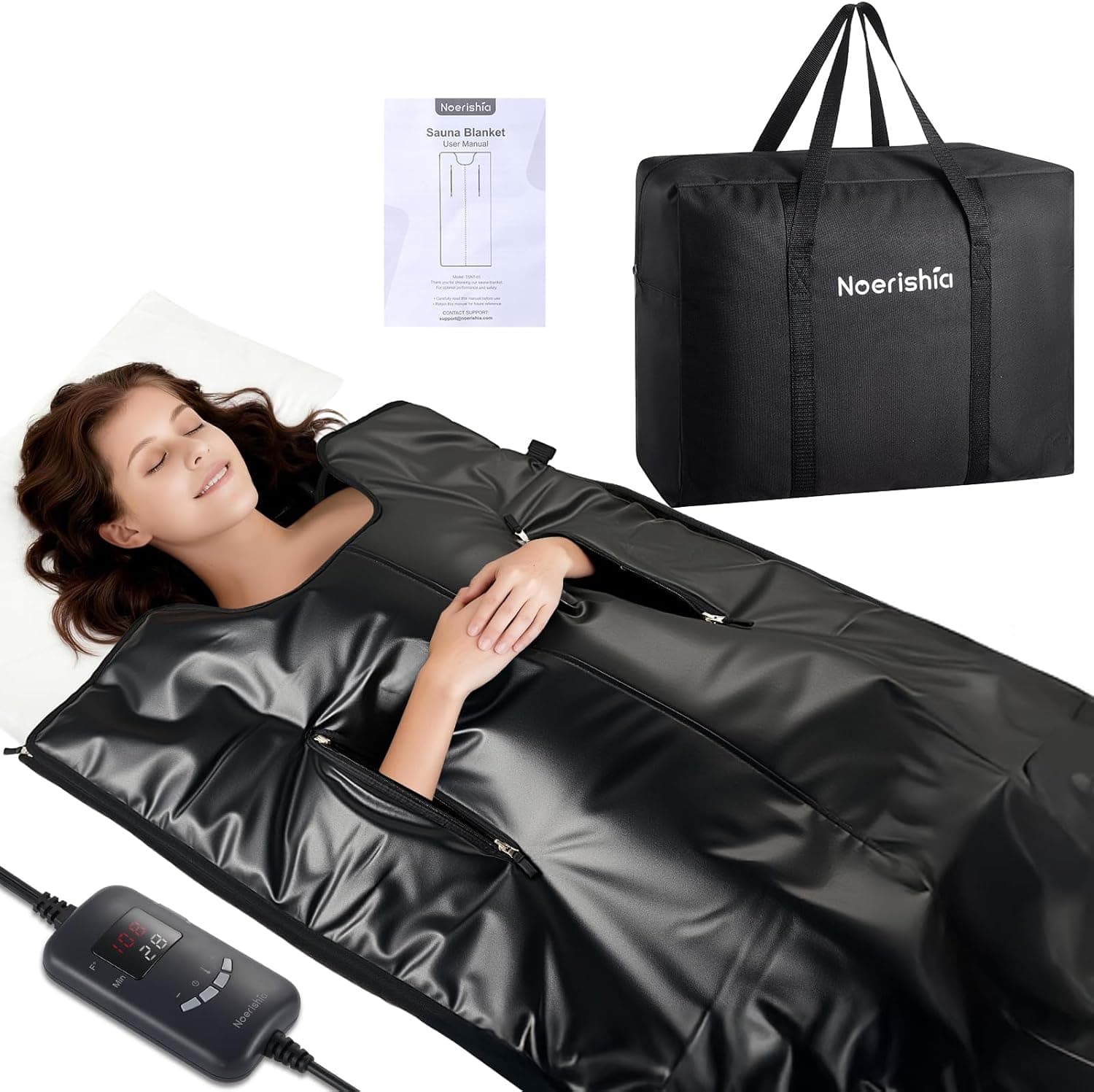
Noerishia Machine Washable Sauna Blanket
Only blanket with machine washable inner lining - eliminates the deep cleaning problem entirely
Material-Specific Care - What Works for Each Blanket Type
Not all sauna blanket outer shells and inner linings are made the same way. The cleaning approach that is safe and effective for Oxford polyester can actually damage PU leather. The table below summarizes the key differences.
| Material | Daily Wipe | Weekly Deep Clean | Machine Wash | Avoid |
|---|---|---|---|---|
| PU Leather | Damp cloth, mild soap | 70% isopropyl, air dry | Never | Bleach, abrasive scrubbers, prolonged moisture |
| Oxford Fabric | Damp cloth, mild soap | Diluted soap scrub, rinse, air dry 2+ hours | Check manufacturer - some allow gentle cycle | Hot water, bleach, tumble dry |
| PVC | Damp cloth, mild soap | 70% isopropyl, wipe dry immediately | Never | Alcohol left sitting on surface, acetone-based cleaners |
| Polyester Lining | Damp cloth, mild soap | 70% isopropyl or diluted soap, air dry fully | Only if specifically rated (e.g., Noerishia removable lining) | High heat drying, bleach, fabric softener |
PU Leather Inner Linings
PU leather is the most common inner lining material on mid-range sauna blankets because it is inexpensive and easy to wipe down. The problem is that repeated exposure to sweat acids, aggressive cleaners, and moisture trapped in folds causes delamination - the outer coating peels away from the foam backing. To prevent this, always wipe the surface dry after cleaning rather than letting it air dry while still wet, and never fold a PU leather blanket along the same crease repeatedly.
Oxford Fabric Shells
Oxford polyester is used primarily on outer shells rather than inner linings. It is more forgiving of moisture than PU leather but can harbor odors in its weave structure if not fully dried. If your blanket has an Oxford outer shell, pay particular attention to the seam areas where the outer and inner materials meet, as moisture can wick inward along those seams.
PVC Linings
PVC is the most durable lining material in terms of moisture resistance, but it is sensitive to prolonged alcohol contact, which can cause surface cloudiness or stickiness over time. Wipe with isopropyl alcohol quickly and follow up with a clean dry cloth within 30 seconds. PVC linings should never be exposed to acetone-based cleaners or nail polish remover, which will dissolve the surface.
Removable Polyester Linings
A small number of blankets now feature removable inner linings that can be machine washed separately from the outer heating unit. This is the most hygienically sound design available, and as of writing, the Noerishia Machine Washable is the only option I have tested that executes this effectively at its price point.
Preventing Odor and Bacterial Buildup Before It Starts
Reactive cleaning is necessary, but prevention is far more efficient. These three habits make a significant difference in how quickly your blanket develops persistent odor.
Use a towel barrier during every session. Laying a clean cotton towel inside the blanket before use absorbs the majority of sweat before it contacts the lining directly. A standard bath towel works fine. This alone can reduce your required cleaning intensity by roughly half. Wash the towel after each session in your regular laundry.
Shower before sessions, not just after. Body oils, lotions, and skin care products are harder to remove from blanket linings than plain sweat. A quick rinse before your session reduces what you bring into the blanket environment significantly.
Never store a blanket before it is fully dry. This is the primary cause of mildew odor in sauna blankets. If your storage space is in a basement or closet with limited airflow, consider leaving the blanket open on a rack overnight before putting it away.
What You Should Never Do with a Sauna Blanket
After reading through dozens of warranty claims and user reports, the same mistakes appear repeatedly.
- Never submerge any sauna blanket in water. Even blankets with water-resistant linings contain heating elements, wiring, and controller connections that can be permanently damaged by immersion. This also creates a serious electrical safety risk if the blanket is used after incomplete drying.
- Never use bleach or bleach-containing products. Bleach degrades PU leather, PVC, and polyester fibers, accelerates delamination, and leaves a residue that can irritate skin during heat exposure.
- Never machine wash unless the manufacturer explicitly states the inner lining is removable and rated for it. The Noerishia Machine Washable is currently the clearest example of a blanket designed for this. For all other blankets, assume machine washing is off the table.
- Never fold the inner lining under pressure for extended storage. Folding creates permanent crease lines in PU leather and PVC that weaken the material at those points. Rolling is always preferable.
- Never use scented cleaning sprays or fabric softeners. The compounds in these products can off-gas at elevated temperatures and cause headaches or respiratory irritation during sessions.

BEST VALUE UNDER $100
Noerishia Portable Sauna Blanket
Best value under $100 with machine washable lining - same easy-clean design at a lower price point
Storage Tips That Protect Your Investment
How you store your sauna blanket between uses matters almost as much as how you clean it. Improper storage causes the same kind of material damage as improper cleaning - it just takes longer to become visible.
Roll loosely, do not fold. Rolling the blanket with the inner lining facing inward, without cinching it tightly, maintains the material's natural flexibility without creating stress creases. A loose roll also allows residual air circulation that helps prevent moisture buildup even during storage.
Store in a cool, dry place with moderate airflow. A shelf in a bedroom closet is better than a sealed bin under a bed. If you live in a humid climate, consider placing a silica gel packet near - not inside - the rolled blanket to reduce ambient moisture.
Keep it away from direct heat sources. Storing a sauna blanket near a radiator, in a hot car, or in an attic during summer months causes the same material degradation as excessive use temperatures. PU leather is particularly susceptible to heat distortion when not in use.
Avoid storing under heavy objects. Weight placed on a rolled or folded blanket compresses the inner foam padding and can permanently affect the blanket's ability to distribute heat evenly.
When to Consider Replacing Your Blanket
Even with excellent care, sauna blankets have a finite lifespan. Signs that maintenance is no longer sufficient include persistent odor that returns within 48 hours of a thorough clean, visible peeling or cracking of the inner lining in areas that contact your skin, or any discoloration of the heating element area that suggests moisture has reached the internal components.
If you are at the point of replacement, the cleaning difficulty of your next blanket is worth factoring into the purchase decision explicitly. A blanket that is genuinely easy to maintain will almost certainly outlast one that is marginally cheaper but requires laborious cleaning to keep hygienic.

PREMIUM PICK
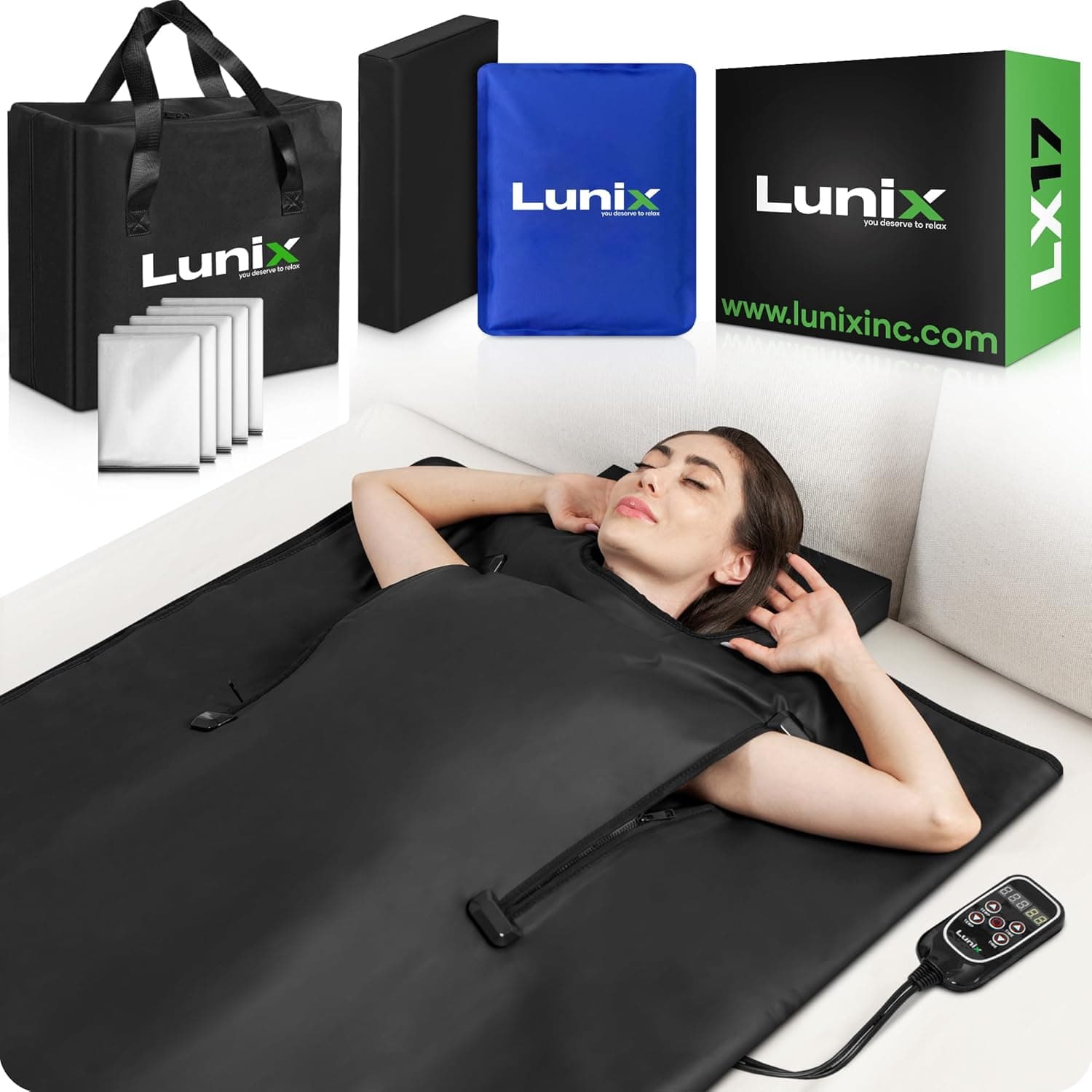
Lunix LX17 Sauna Blanket
4.9 stars with 3-year warranty - durable PU leather construction that holds up to consistent proper maintenance
The Bottom Line on Sauna Blanket Maintenance
Keeping a sauna blanket genuinely clean is not complicated, but it does require consistency. The five-minute post-session wipe-down, a weekly isopropyl treatment, using a towel barrier, and proper rolling storage will keep most blankets hygienic and functional for two to three years of regular use. The materials your blanket is made from determine how forgiving those habits need to be - PU leather demands the most careful approach, while removable polyester linings designed for machine washing offer the most practical hygiene solution available.
For anyone who wants to reduce the maintenance burden without sacrificing cleanliness, the machine-washable inner lining design is the most meaningful practical innovation in this product category right now. It does not replace good habits, but it makes the weekly deep clean genuinely effortless rather than a task you will be tempted to skip.