How to Use a Sauna Blanket Safely and Effectively
Sauna blankets have become one of the most practical ways to get infrared heat therapy at home. I've spent months testing different models and refining my routine, and the difference between a session that leaves you feeling refreshed versus one that leaves you dizzy comes down almost entirely to preparation and technique. This guide covers everything you need to know - from the moment you unbox your blanket to building a weekly schedule that actually delivers results.
Before You Begin - Preparation Essentials
Hydration Before Your Session
This is the step most people skip, and it's the one that matters most. Drink 16 to 24 ounces of water in the 30 to 60 minutes before your session. Your body will sweat significantly during infrared heat exposure, and going in already dehydrated is the fastest way to feel lightheaded or nauseous halfway through. Plain water works well, but adding a pinch of sea salt or sipping an electrolyte drink is even better for maintaining mineral balance during heavy sweating.
Avoid alcohol for at least 12 hours before a session. Alcohol impairs your body's ability to regulate temperature and increases your risk of dehydration. Caffeine is fine in moderate amounts, but if you're sensitive to it, consider skipping your afternoon coffee on days you plan to use your blanket.
What to Wear Inside a Sauna Blanket
Always wear clothing inside a sauna blanket - never go in bare skin against the interior lining. Light, breathable cotton is the best option. Long cotton pants and a long-sleeved cotton shirt protect your skin from direct contact with the heating elements while still allowing heat to penetrate. Many people also wear cotton socks to protect their feet and keep the inside of the blanket cleaner.
Avoid synthetic fabrics like polyester or nylon. These materials trap heat unevenly, can feel uncomfortable against sweaty skin, and some cheaper synthetics may off-gas unpleasant odors when heated. Skip any lotions, oils, or body butters before your session - they can damage the interior lining of your blanket over time.
Setting Up Your Space
Choose a flat, stable surface like a bed, couch, or yoga mat on the floor. Make sure there's at least a foot of clearance around the blanket for ventilation. Lay the blanket out completely flat before turning it on, ensuring the zipper is accessible and the power cord isn't pinched under your body or furniture.
Keep a glass or bottle of water within reach. A small towel nearby for wiping your face is also useful since your head stays outside the blanket and you'll still sweat around your neck and face. Keep the room temperature moderate - a very cold room means the blanket works harder and you may feel uncomfortable when you exit, while a very hot room adds unnecessary stress to the session.
Step-by-Step Session Guide
Step 1 - Preheat Your Blanket
Turn on your sauna blanket 10 to 15 minutes before you plan to get inside. This gives the heating zones time to reach a consistent temperature throughout the entire blanket. Getting into a cold or unevenly heated blanket and waiting for it to warm up around you is less comfortable and less effective than entering a pre-warmed environment.
During preheat, set the temperature to your target level for the session. Check the blanket is lying flat and fully unfolded so heat distributes evenly across all zones.
Step 2 - Getting In
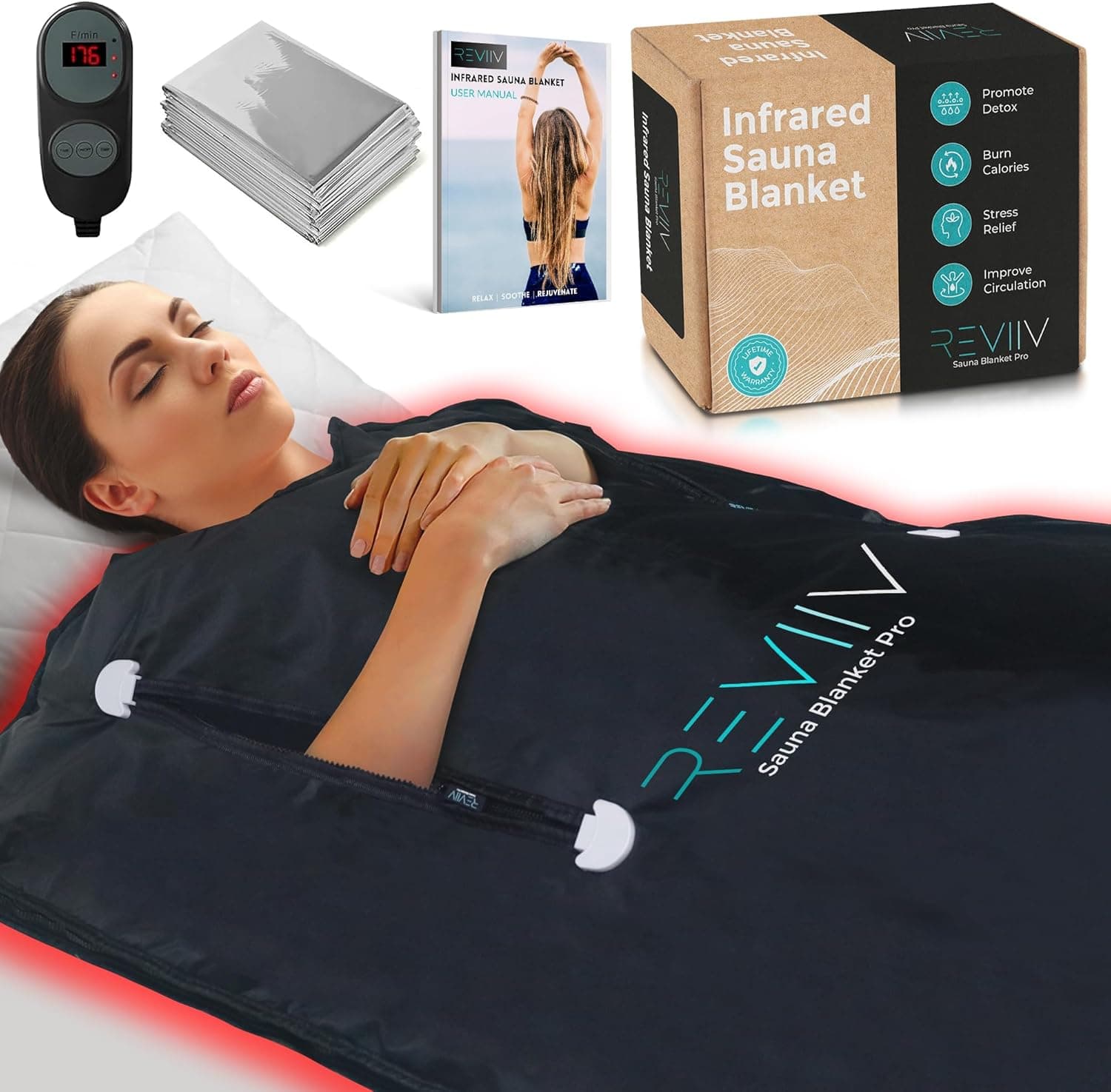
Sit at the open end of the blanket, slide your legs in first, then recline back and tuck your arms in beside you. Zip or close the blanket around your torso, leaving your head and neck outside. Make sure you can reach the zipper or opening from the inside - this is a genuine safety requirement, not just a comfort issue. You should be able to get out quickly if you need to.
Settle into a comfortable position. Most people find lying with arms slightly away from their sides more comfortable than arms pinned tightly against their body, as this allows better air circulation within the blanket.
Step 3 - Temperature Settings by Experience Level
Temperature is where beginners make the biggest mistakes. The common assumption is that hotter equals better, but infrared heat works through tissue penetration, not surface burning. Starting at a moderate temperature and building gradually over weeks is the approach that produces real results without the risks.
The table below shows recommended temperature ranges based on experience level:
| Experience Level | Temperature Range (°F) | Session Length | Frequency Per Week | Recommended Blanket |
|---|---|---|---|---|
| Complete Beginner (Week 1-2) | 104°F - 113°F (40°C - 45°C) | 15 - 20 minutes | 2 - 3 times | Noerishia ($99) |
| Developing (Week 3-6) | 113°F - 131°F (45°C - 55°C) | 25 - 35 minutes | 3 - 4 times | Noerishia ($99) |
| Intermediate (Month 2-3) | 131°F - 149°F (55°C - 65°C) | 35 - 45 minutes | 4 - 5 times | Either model |
| Advanced (Month 4+) | 149°F - 176°F (65°C - 80°C) | 45 - 60 minutes | 5 - 7 times | Healix Zero EMF ($499.99) |
Step 4 - During the Session
Breathe normally and stay relaxed. Many people use this time to listen to a podcast, practice breathing exercises, or simply rest. Avoid looking at your phone constantly - the screen glare combined with heat can cause eye strain and headaches.
If at any point you feel dizzy, nauseous, short of breath, or your heart rate feels uncomfortably elevated, unzip the blanket immediately and sit up slowly. These are your body's clear signals to stop, and you should listen to them without hesitation.
Check in with yourself mentally around the halfway mark. A properly calibrated session should feel warm and deeply relaxing - not suffocating or panicky. Sweating heavily is normal and expected. Feeling unable to catch your breath is not.
Post-Session Care
The Cool Down Period
When your session ends, open the blanket and sit up slowly. Don't jump up and start moving around immediately. Spend at least 5 minutes sitting quietly, letting your heart rate settle and your body begin cooling naturally. Standing up too quickly after a heat session is a reliable way to trigger dizziness from a drop in blood pressure.
A lukewarm shower about 10 to 15 minutes after your session helps rinse away sweat, close your pores gradually, and further support the cooling process. Avoid ice-cold showers immediately after unless you have experience with contrast therapy - the sudden temperature shock can be intense when your body is already in a heightened physiological state.
Post-Session Hydration and Nutrition
Drink another 16 to 24 ounces of water or electrolyte drink immediately after your session. Replenishing minerals lost through sweating is just as important as replacing the fluid itself. Magnesium, sodium, and potassium are the main electrolytes depleted during heavy sweating, so coconut water or a quality electrolyte powder is a smart choice here.
If you're hungry after your session, a light, nutrient-dense snack works well. Your digestion slows somewhat during heat exposure, so a heavy meal right after can feel uncomfortable. Fruit, a smoothie, or something easily digestible is a better option than a full dinner immediately post-session.
Cleaning Your Sauna Blanket
Cleaning after every session is not optional - it's essential for hygiene and for extending the lifespan of your blanket. Wipe down the interior lining with a damp cloth and mild, diluted soap solution. Let it air dry completely before folding and storing it. Leaving moisture trapped inside a folded blanket creates conditions for mold and bacteria to develop.
The removable liner or insert, if your blanket comes with one, can usually be washed separately per the manufacturer's instructions. Check your specific model's care guide before machine washing anything. Most high-quality blankets like the Healix Zero EMF ($499.99) include detailed care documentation with the product.
Safety Warnings - Who Should Avoid Sauna Blankets
Sauna blankets are not appropriate for everyone. The following groups should consult a physician before using any infrared heat device, or avoid them entirely:
- Pregnant women - heat exposure can raise core body temperature in ways that may be harmful to fetal development
- People with cardiovascular conditions including uncontrolled hypertension, recent heart attack, or heart failure
- Anyone with active skin conditions, open wounds, or significant sunburn
- People with multiple sclerosis or other conditions that affect heat tolerance
- Anyone taking medications that affect sweating, temperature regulation, or blood pressure
- Children under 12 years old
- Anyone with metal implants, pacemakers, or implanted medical devices - consult your doctor first
- People who have consumed alcohol in the past 12 hours
Signs to Stop a Session Immediately
Exit the blanket without delay if you experience any of the following during a session:
- Dizziness or lightheadedness
- Nausea or vomiting sensation
- Heart palpitations or chest tightness
- Difficulty breathing or feeling of suffocation
- Sudden, severe headache
- Numbness or tingling in your extremities
- Feeling faint or confused
After exiting, sit or lie down, drink water, and apply a cool cloth to your forehead and neck. If symptoms don't resolve within a few minutes, seek medical attention.
Optimal Weekly Schedule for Sauna Blanket Use
Consistency matters far more than session intensity when it comes to the long-term benefits of infrared heat therapy. A sustainable weekly schedule built around your current fitness and heat tolerance will always outperform pushing too hard too soon and burning out.
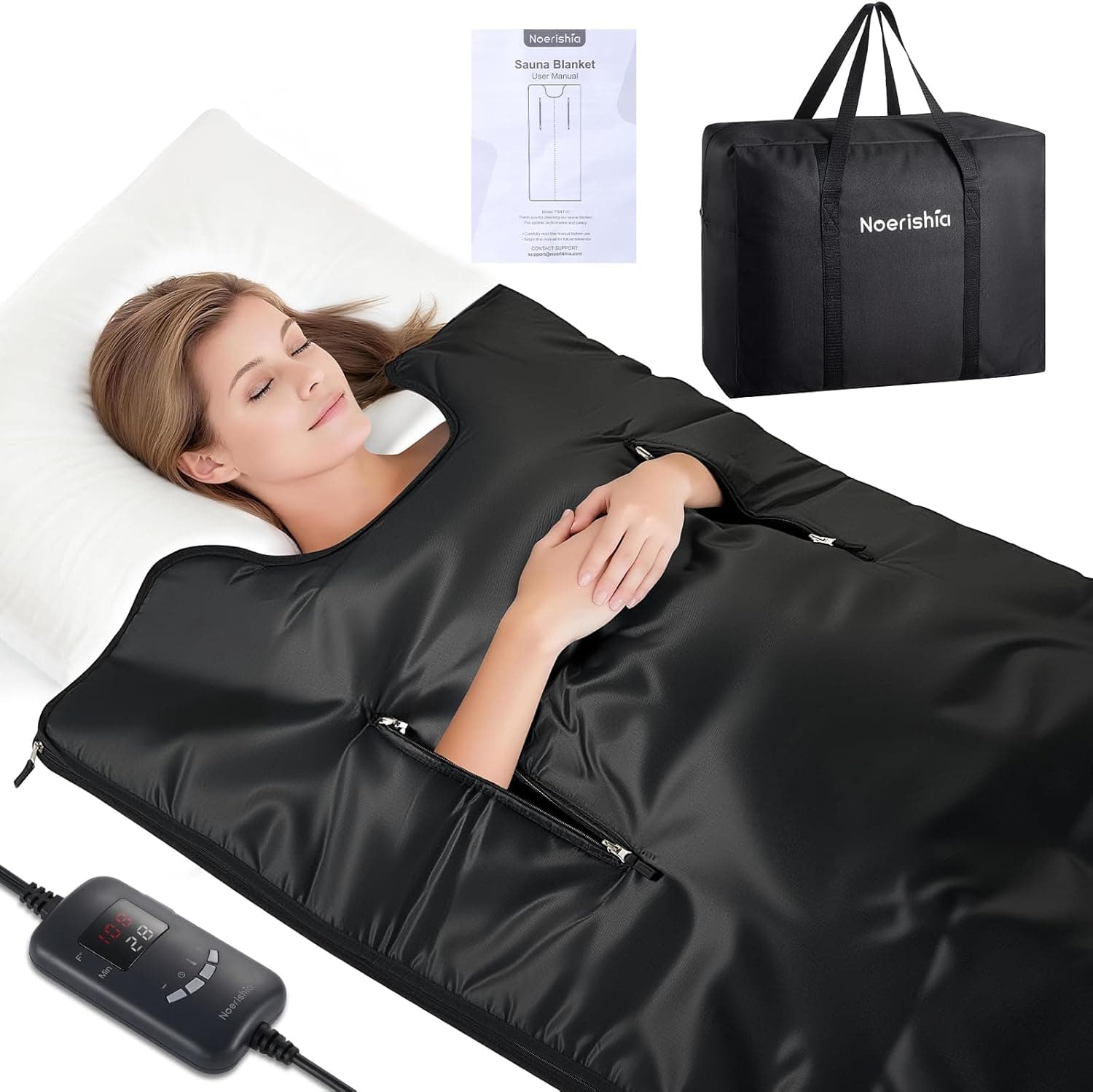
For beginners in their first two weeks, two to three sessions per week with at least one full rest day between sessions gives your body time to adapt. The Noerishia ($99) is an excellent starting point at this stage - it's affordable, easy to use, and includes straightforward temperature controls that make it simple to stay within safe ranges while you're learning how your body responds to infrared heat.

BEST FOR BEGINNERS
Noerishia Portable Sauna Blanket
2-minute preheat, machine washable, best value under $100
A practical beginner weekly structure might look like this:
- Monday - 20-minute session at 104°F to 110°F
- Tuesday - Rest day
- Wednesday - 20-minute session at 104°F to 113°F
- Thursday - Rest day
- Friday - 20-minute session, slightly increase temperature if comfortable
- Saturday and Sunday - Rest
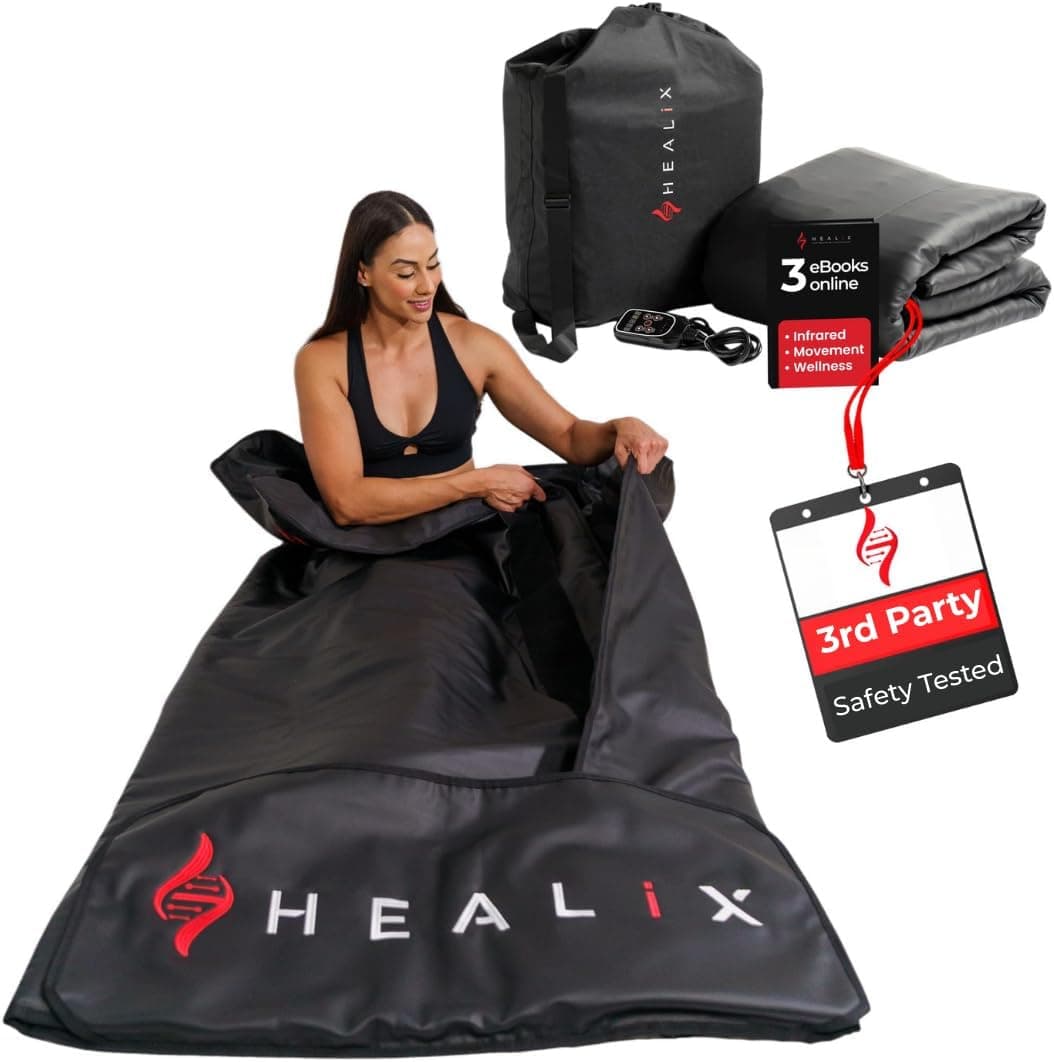
Once you've built several months of consistent practice and can comfortably tolerate 45-minute sessions, upgrading to the Healix Zero EMF ($499.99) becomes a worthwhile investment. The zero EMF design means you're getting all the benefits of infrared heat without the electromagnetic field exposure that comes with budget-level heating elements - a meaningful consideration for people using their blanket five to seven times per week. At that frequency, minimizing EMF exposure over months and years of use makes practical sense.

BEST FOR ADVANCED USERS
Healix Zero EMF Sauna Blanket
Only verified zero EMF sauna blanket with 10,000-strand carbon fiber
Advanced users with established heat tolerance can move toward daily sessions of 45 to 60 minutes, though most practitioners recommend at least one rest day per week even at peak conditioning. Your body recovers and adapts during rest, not during the sessions themselves.
Track how you feel in the 24 hours after each session. Quality sleep, reduced muscle tension, improved mood, and clearer skin are all positive signs that your schedule is working. Persistent fatigue, disrupted sleep, or feeling run down are signals to reduce frequency or temperature until your body catches up.
The most important principle in all of this is that your sauna blanket practice should feel restorative, not like something you're grinding through. Start conservatively, progress deliberately, hydrate consistently, and clean your equipment after every single use. Done right, a sauna blanket session is one of the most genuinely relaxing wellness practices you can build into a regular routine.