Sauna Blanket Skin Benefits - What the Research Actually Shows
After testing more than a dozen infrared sauna blankets over the past three years, I can tell you that the skin-related claims in this category range from genuinely well-supported to outright fantasy. The wellness industry moves fast, and marketing departments have a habit of taking a single promising study and extrapolating it into promises that the science simply does not back up yet. My goal here is to give you an honest, research-grounded look at what infrared heat actually does to your skin, what remains speculative, and how to set realistic expectations before you invest.
How Infrared Heat Changes Blood Flow in the Skin
The most well-documented skin benefit of infrared sauna blanket use starts beneath the surface, in your microcirculation. Far-infrared radiation (FIR) penetrates several centimeters into soft tissue, which is meaningfully deeper than the convective heat of a traditional steam sauna. When FIR reaches the dermis and underlying tissue, it triggers vasodilation - a widening of the small blood vessels that supply the skin.
A foundational study by Lee et al. (2006) published in the Journal of the Korean Academy of Nursing examined the effects of far-infrared radiation on blood circulation and found measurable improvements in peripheral microcirculation following FIR exposure. The researchers documented increased blood flow to superficial tissue, which has downstream implications for nutrient delivery, waste removal, and overall skin health. You can review the full study at PubMed (PMID 16539535).
What this means practically is that the warmth and flushing sensation you feel during a sauna blanket session reflects a real physiological change. Improved microcirculation brings more oxygenated blood and nutrients to skin cells while simultaneously helping to clear metabolic byproducts. Over time, consistent sessions may support a more even complexion and better overall skin tone, particularly for people whose circulation is compromised by sedentary habits, cold climates, or certain health conditions.
I notice this effect personally. After about 20 minutes in a blanket set to medium-high intensity, my skin has a warm, rosy appearance that lasts 30 to 45 minutes post-session. This is not a cosmetic trick - it reflects real blood moving closer to the surface.
Collagen Production Claims vs What Research Actually Shows
This is where I have to pump the brakes on some of the more aggressive marketing language you will encounter. Many sauna blanket brands claim their products "boost collagen production" and can visibly reduce wrinkles with regular use. The reality is more nuanced.
There is legitimate mechanistic reasoning behind the collagen claim. Heat stress activates fibroblasts - the cells responsible for producing collagen and elastin in the dermis. Infrared light at specific wavelengths (particularly near-infrared, in the 800 to 1000nm range) has been studied in photobiomodulation research for its potential to stimulate fibroblast activity. Some clinical studies on targeted red light therapy devices have shown modest but statistically significant increases in collagen density after repeated treatments.
However, most sauna blankets operate primarily in the far-infrared range (3 to 100 micrometers), not the near-infrared wavelengths studied most extensively for collagen synthesis. The thermal effect of a blanket is also diffuse and full-body rather than focused on facial tissue. Claiming that a sauna blanket session is equivalent to a targeted collagen-stimulating LED panel treatment is a significant stretch. The honest answer is that whole-body FIR exposure may create conditions that support skin cell function, but direct, clinically proven collagen induction from sauna blanket use specifically has not been established in rigorous human trials as of this writing.
Be skeptical of before-and-after photos used in marketing for this specific mechanism. The improved appearance many users report is more plausibly explained by better circulation, reduced inflammation, and the general glow that comes from consistent sweating and stress reduction.
Sweat, Pore Cleansing, and What That Actually Means
Sauna blankets produce significant sweat output, and this is one of the more tangible skin benefits, though it also comes with some caveats worth understanding.
Sweating is a thermoregulatory function, not a detoxification organ in the clinical sense. The kidneys and liver handle the heavy lifting of removing toxins from your body. That said, sweat does carry small amounts of certain compounds to the skin surface, and the process of perspiring heavily does help to flush the outer layers of pores. For people who struggle with congested pores or dull skin texture, regular sweating followed by a thorough rinse can produce noticeable improvements in skin clarity over several weeks.
The key word in that last sentence is "followed by a thorough rinse." Sitting in dried sweat is counterproductive. The salts and compounds that sweat carries out of your pores will simply redeposit on the skin surface if you do not wash them off. After every sauna blanket session, shower within 15 to 20 minutes. This simple habit is what separates people who see skin improvements from those who do not.

Premium Pick for Skin Benefits
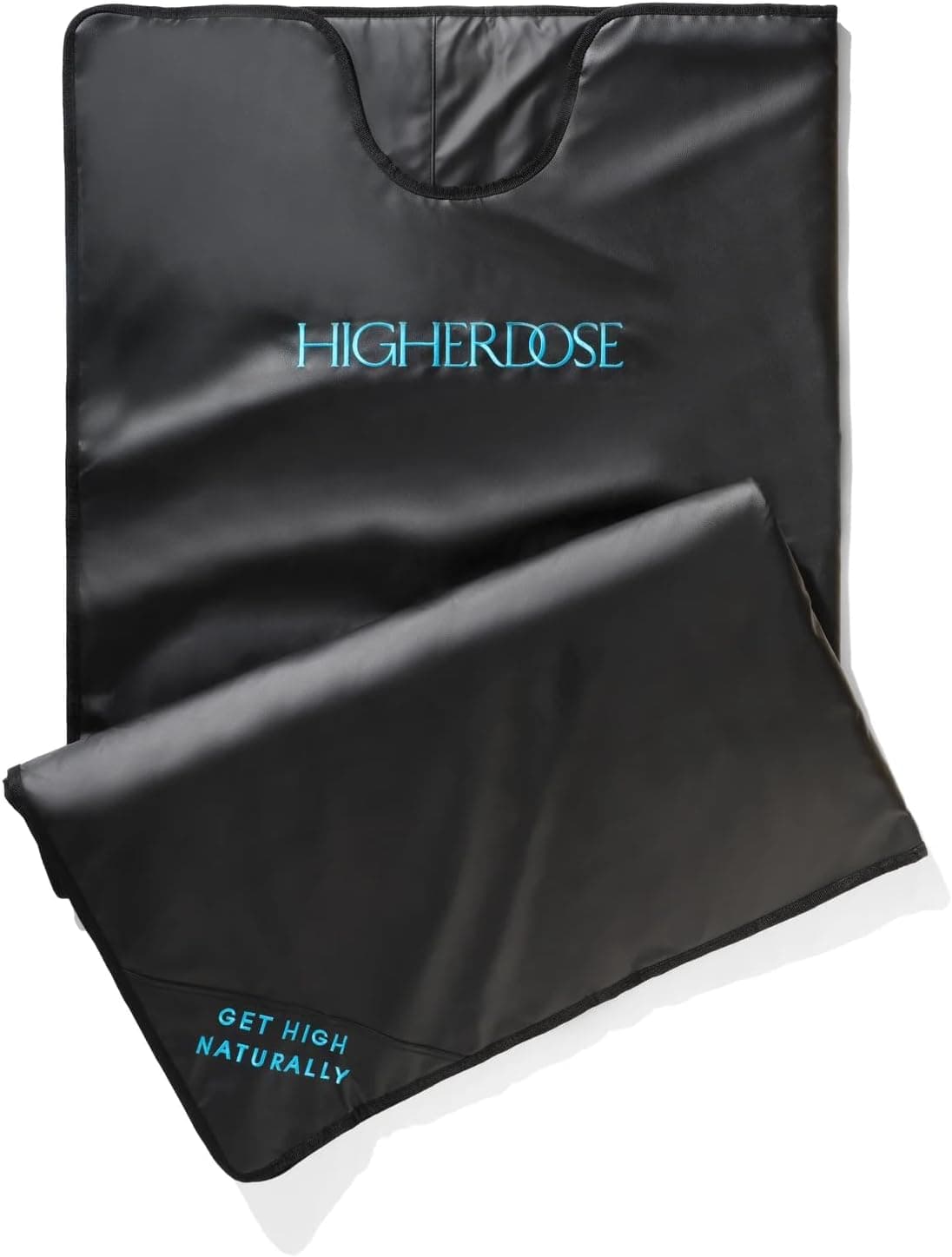
HigherDOSE Infrared Sauna Blanket
Crystal-infused premium brand with amethyst and tourmaline layers. One of the most popular choices for skin-focused wellness routines.
Skin Conditions That May Respond to Infrared Sauna Blanket Use
Psoriasis - Moderate Supporting Evidence
Psoriasis involves accelerated skin cell turnover and chronic inflammation, and several small studies have examined sauna therapy as a complementary approach. The anti-inflammatory effects of regular heat exposure appear to reduce flare severity in some patients, and the stress-reduction benefit of sauna use is also relevant given that psychological stress is a well-known psoriasis trigger.
The evidence here is moderate rather than conclusive. Research on Finnish-style saunas and psoriasis has shown positive results in some patient cohorts, and while direct research on infrared sauna blankets for psoriasis specifically is limited, the physiological mechanisms are similar enough to suggest potential benefit. If you have psoriasis and are considering a sauna blanket, discuss it with your dermatologist first, and start with shorter sessions at lower temperatures to assess your individual skin response.
Eczema - Proceed With Caution
Eczema is a more complicated picture. For some people, heat and sweat are known triggers that worsen atopic dermatitis rather than improving it. The disrupted skin barrier in eczema can make sweating particularly irritating, and the friction of the blanket material against inflamed skin adds another variable.
That said, some eczema patients report that the stress-reduction and anti-inflammatory systemic effects of regular sauna use have a net positive impact on their condition. This appears to be highly individual. I would not recommend sauna blanket use for eczema without direct guidance from a dermatologist, and I would be particularly cautious during active flare periods. If you do try it, use the lowest temperature setting, keep sessions brief, rinse immediately afterward, and apply your regular moisturizer or barrier cream promptly.
Anti-Aging Mechanisms Worth Taking Seriously
Heat Shock Protein Induction
One of the genuinely interesting mechanisms behind sauna use and skin aging is the induction of heat shock proteins (HSPs). When your cells are exposed to elevated temperatures, they produce HSPs as a protective response. These molecular chaperones help maintain protein structure, clear damaged cellular components, and support overall cellular resilience.
HSP70 and HSP90 in particular have been studied for their roles in cellular maintenance and longevity pathways. In the context of skin, HSP induction supports the structural integrity of dermal proteins and may help protect against the gradual protein damage that contributes to visible aging. This is not a dramatic overnight effect, but as one component of a consistent long-term wellness practice, it represents a legitimate biological mechanism rather than marketing language.
Oxidative Stress Reduction Over Time
Chronic oxidative stress is one of the primary drivers of skin aging at the cellular level. Free radical damage accumulates in skin cells over years, degrading collagen and elastin and contributing to fine lines, uneven tone, and loss of skin elasticity.
Regular sauna use has been associated with upregulation of endogenous antioxidant systems, including superoxide dismutase (SOD) and glutathione peroxidase. The hormetic stress of repeated heat exposure appears to stimulate the body to strengthen its own antioxidant defenses - a process sometimes called hormesis. This mechanism is better documented in athletic recovery and cardiovascular health research, but the same pathways are relevant to skin cell longevity. The key qualifier is "over time." These are cumulative adaptations that develop with consistent practice over months, not effects you will notice after a single session.

Best for Sensitive Skin
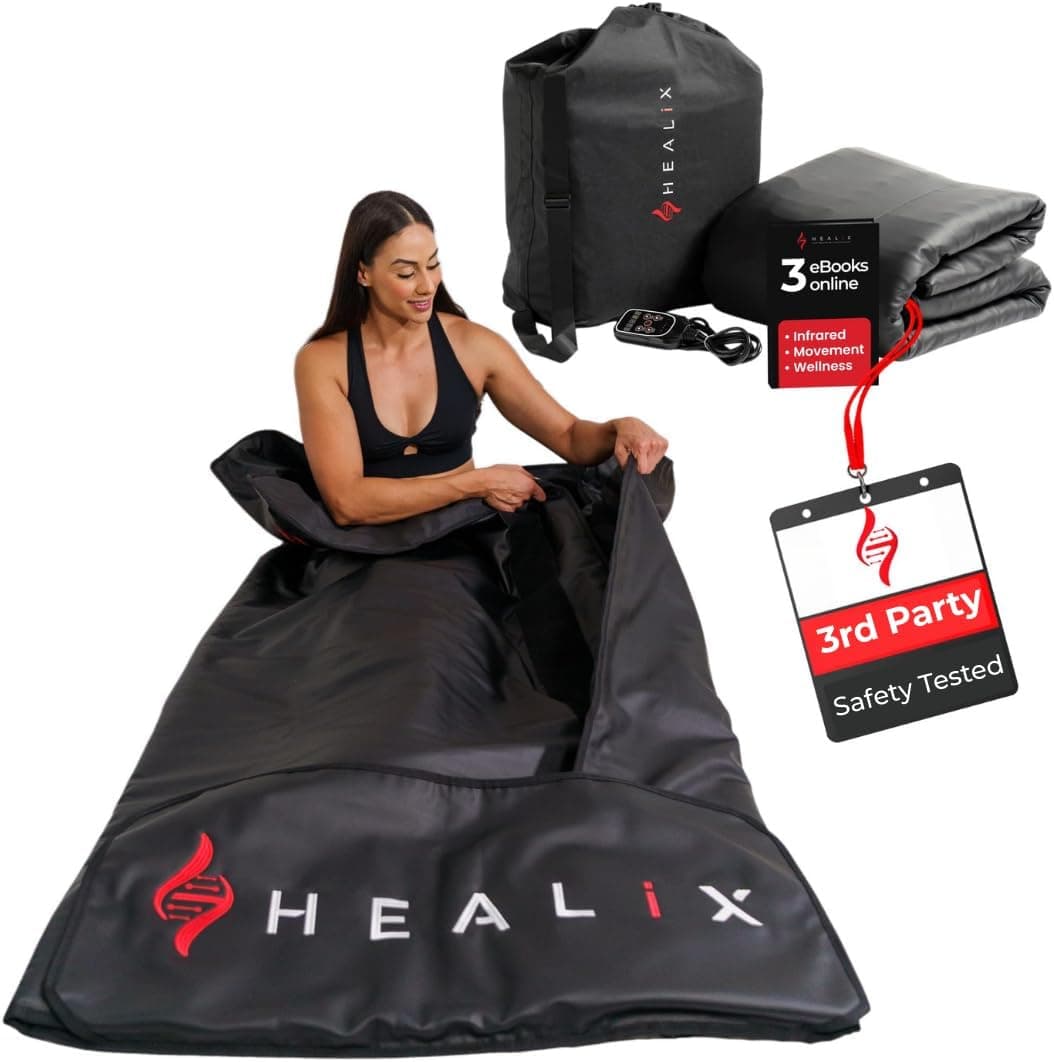
Healix Zero EMF Sauna Blanket
The only verified zero EMF sauna blanket on the market. An excellent choice for those with sensitive skin or EMF concerns who still want full infrared benefits.
Setting Realistic Expectations
Here is what consistent sauna blanket use will likely do for your skin over 60 to 90 days of regular sessions (three to four times per week):
- Improved surface circulation resulting in a more consistent, healthy skin tone
- Better pore clarity if you are diligent about rinsing post-session
- Gradual reduction in stress-related skin issues as cortisol patterns improve
- A general improvement in skin texture that many users describe as a subtle but noticeable "glow"
Here is what sauna blanket use will not do, regardless of what any marketing campaign claims:
- Eliminate deep wrinkles or significantly reverse established photoaging on its own
- Replace targeted dermatological treatments for conditions like acne, rosacea, or significant hyperpigmentation
- Produce the same collagen-stimulating results as clinically validated red light therapy devices
- "Detoxify" your skin in any medically meaningful sense beyond normal sweat excretion
The people who get the most out of sauna blankets for skin health are those who treat it as one consistent tool in a broader routine that includes good hydration, sun protection, a solid moisturizing practice, and adequate sleep. Used in that context, a sauna blanket can be a genuinely worthwhile addition. Treated as a standalone skin cure, it will disappoint you.
My recommendation for most people starting out is to begin with two to three sessions per week at 30 minutes per session, drink 16 to 20 ounces of water before each session, shower promptly afterward, and give yourself at least eight weeks before evaluating results. Skin cell turnover takes time, and the cumulative physiological adaptations discussed above are not visible in the short term. Patience and consistency are the real active ingredients here.