Sauna Blanket vs Traditional Sauna - Which Is Right for You
I've spent the better part of two years testing both sauna blankets and traditional saunas, and the question I get asked more than any other is simple: which one is actually worth it? The honest answer is that it depends entirely on your lifestyle, your budget, and what you're actually trying to get out of the experience. These two products share a name and a general wellness goal, but they are fundamentally different tools. Let me break down everything you need to know before you spend a single dollar.
The Real Cost Difference
Money is usually the first thing people bring up, and for good reason. A traditional sauna - whether it's a Finnish-style wood-burning unit, an electric sauna, or a home infrared cabin - will run you somewhere between $3,000 on the absolute low end and well over $10,000 once you factor in installation, electrical upgrades, and any structural changes to your home. Premium brands like Sunlighten or Clearlight regularly sell units in the $5,000 to $8,000 range, and that's before a licensed electrician touches your breaker box.
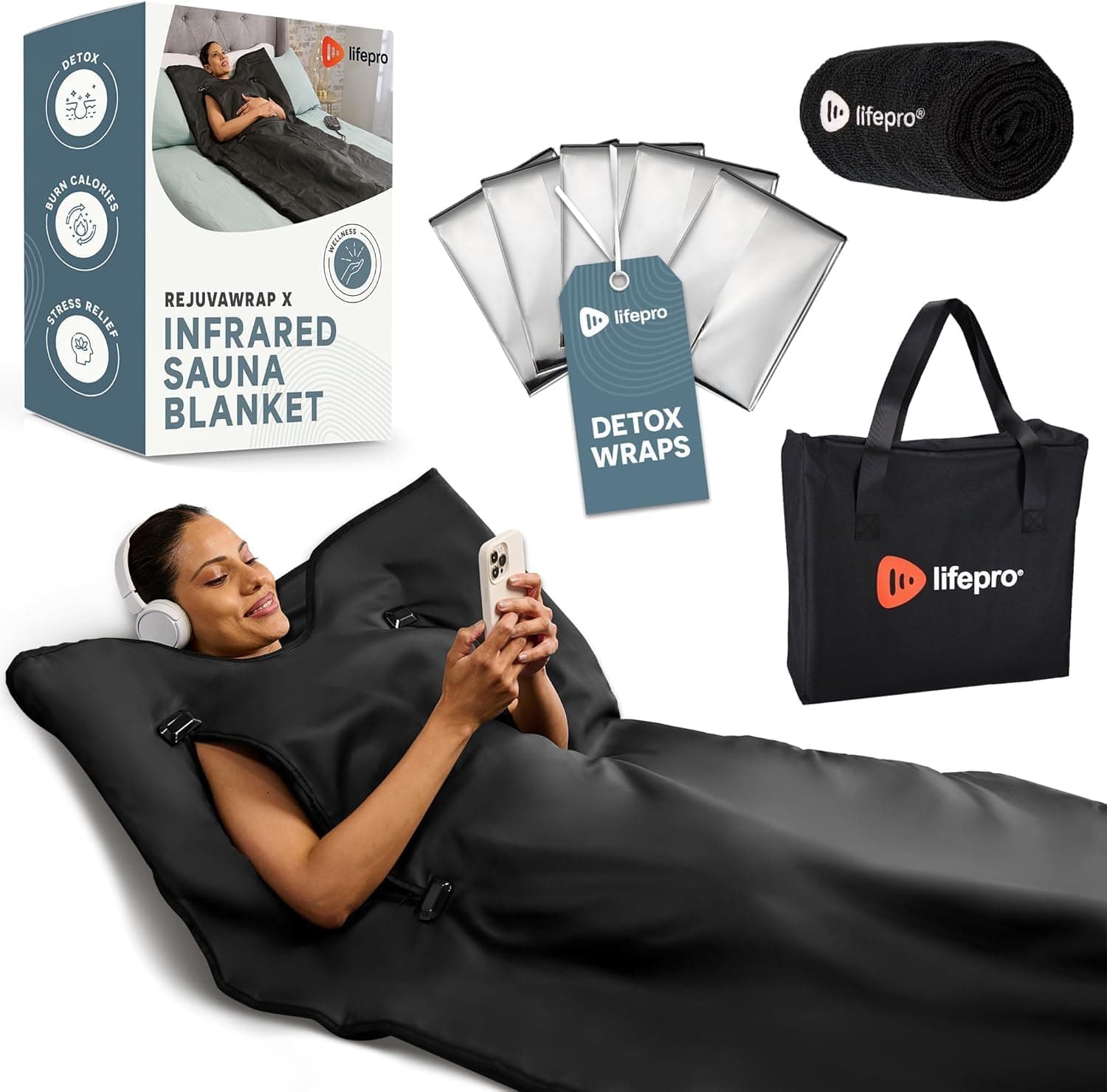
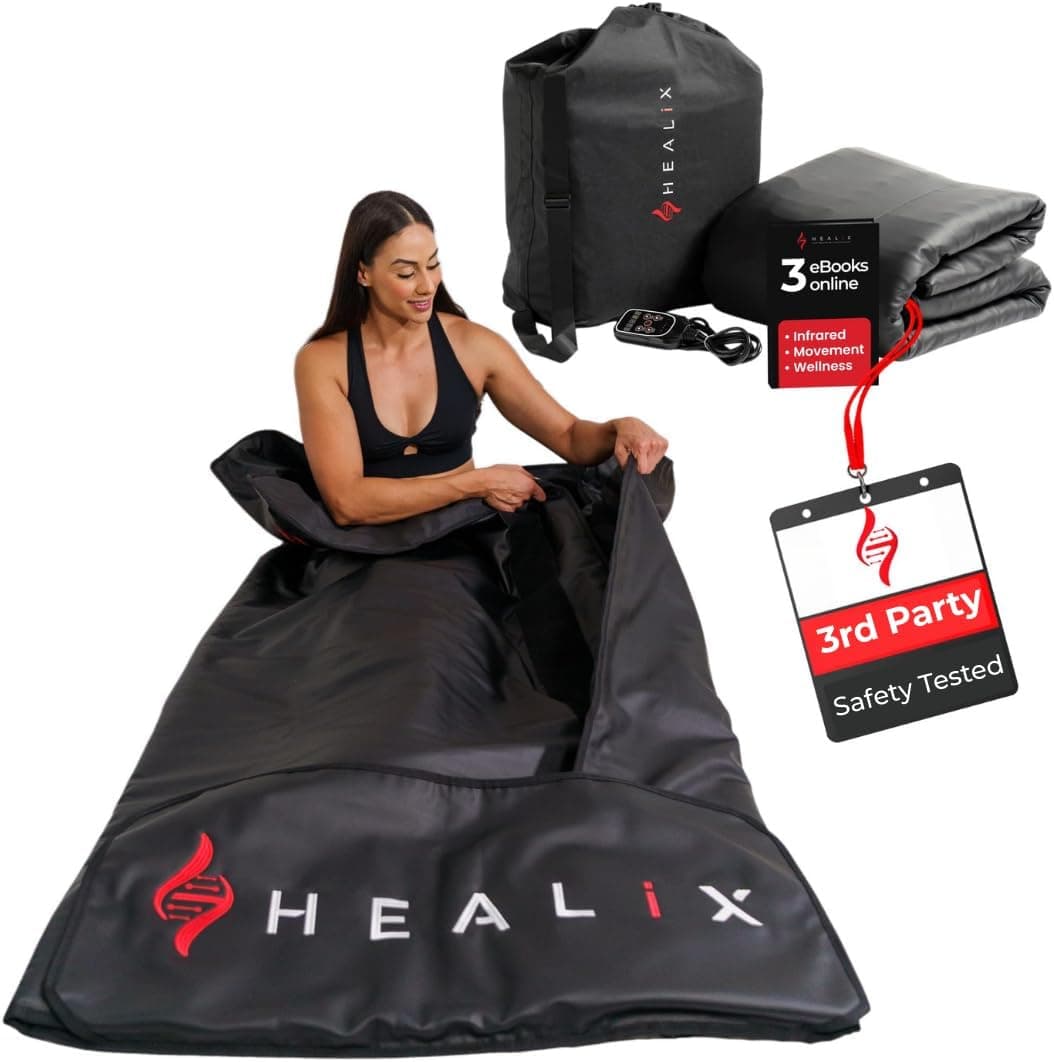
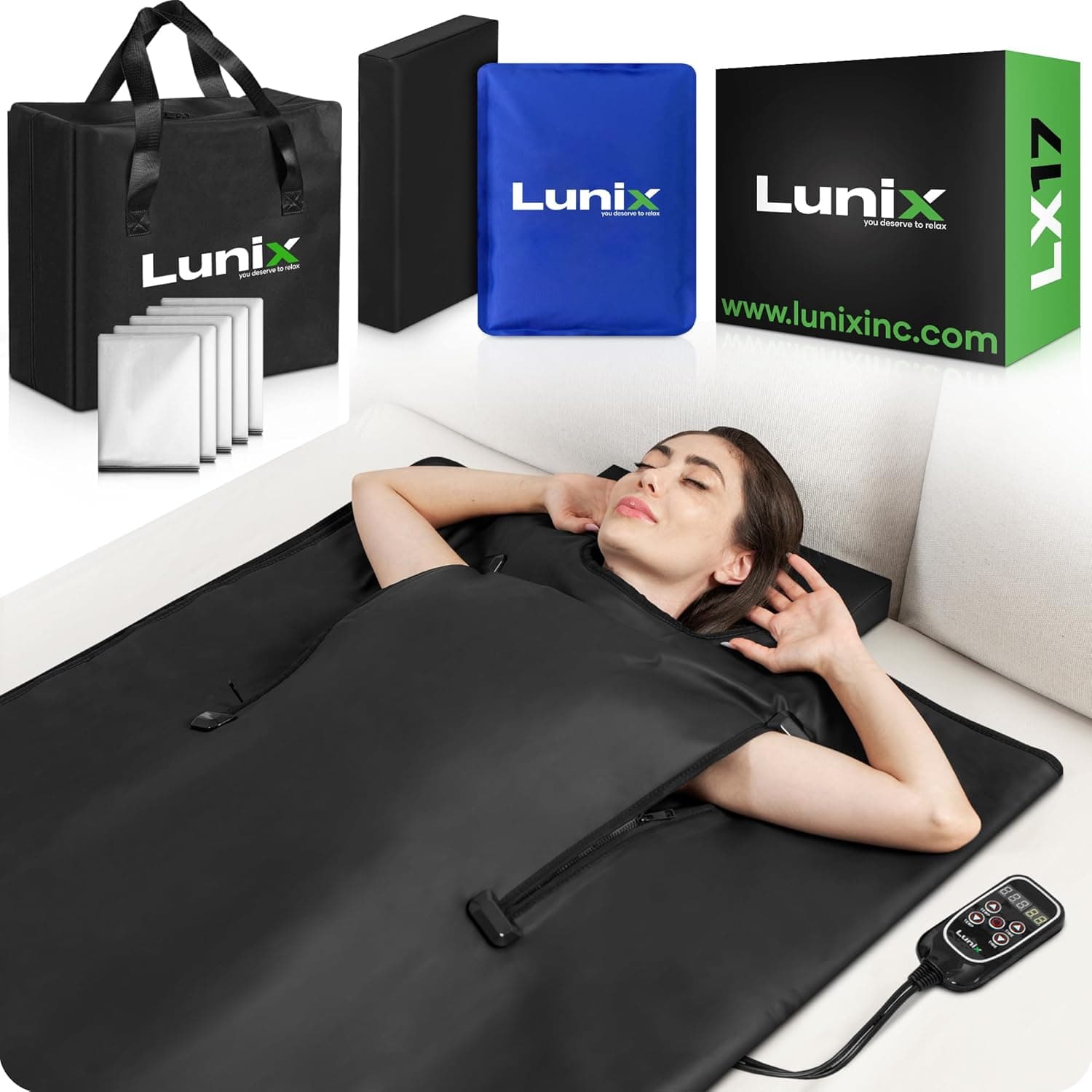
Sauna blankets operate in a completely different financial universe. The budget end of the market starts around $85, which gets you a functional far infrared blanket that will genuinely heat your body. The premium end is anchored by the HigherDOSE Infrared Sauna Blanket at $699, which uses multiple layers of amethyst, tourmaline, and charcoal to enhance the infrared output. For something reliable in the middle, the Noerishia Portable Sauna Blanket at $99 is a solid entry point that delivers consistent far infrared heat without asking you to take out a second mortgage.
Even if you buy the HigherDOSE, you're looking at a fraction of the cost of the cheapest traditional sauna installation. That gap matters enormously for most people.

MOST AFFORDABLE ENTRY POINT
Noerishia Portable Sauna Blanket
2-minute preheat, machine washable, best value under $100
Space Requirements - A Bigger Deal Than You Think
Traditional saunas need dedicated, permanent space. A two-person indoor infrared cabin typically requires a footprint of roughly 4 feet by 4 feet, plus clearance on all sides for airflow and safety. You also need proximity to a 240-volt electrical outlet in most cases, adequate ventilation, and a floor surface that can handle heat and moisture. Bathrooms, spare bedrooms, and finished basements are the usual candidates, but not everyone has that real estate available.
A sauna blanket rolls up and slides under a bed, into a closet, or into the back of a car. When I tested the HigherDOSE blanket in a 600-square-foot apartment, storage was genuinely a non-issue. You unfold it on your bed or floor, use it for 30 to 45 minutes, wipe it down, and it disappears. For anyone living in an urban apartment, sharing a home with a family, or simply not wanting a permanent wellness installation taking up a room, this difference is decisive.
The Heat Type Question - Far Infrared vs Convective Heat
This is where things get genuinely interesting from a physiological standpoint. Traditional saunas - particularly Finnish and wood-burning styles - work through convective heat. The air temperature in the room climbs to between 150 and 195 degrees Fahrenheit, and that hot air warms your skin and gradually raises your core body temperature. The experience is intense, often humid when water is poured over rocks, and unmistakably sensory. Your lungs are breathing hot air, your skin is flushing immediately, and the psychological experience of being in a hot room is part of the appeal for many people.
Sauna blankets use far infrared (FIR) technology, which operates at much lower ambient temperatures - typically between 120 and 158 degrees Fahrenheit - but penetrates skin tissue more directly. The infrared wavelengths are absorbed by the body rather than just heating the surrounding air. Proponents of far infrared point to research suggesting deeper tissue penetration, potentially more efficient sweating at lower temperatures, and less respiratory strain because you're not breathing superheated air.
Traditional infrared cabin saunas also use FIR technology, so if infrared is your priority, you're not forced into the blanket format. But most budget-to-mid-range home saunas use convective heating, while virtually all sauna blankets use far infrared.
Health Benefits - Where They Overlap and Where They Diverge
Both formats share a core set of potential benefits that are backed by a growing body of research. Regular sauna use - regardless of type - has been associated with improved cardiovascular function, reduced muscle soreness, enhanced relaxation through parasympathetic nervous system activation, and support for detoxification through sweat. A landmark Finnish study published in JAMA Internal Medicine tracked over 2,000 middle-aged men and found that frequent sauna use was associated with significantly reduced risk of fatal cardiovascular events.
Where they diverge is in the intensity and completeness of the experience. Traditional saunas, particularly at high temperatures, produce a more acute cardiovascular stress response - your heart rate climbs more dramatically, mimicking moderate exercise in some studies. This cardiovascular loading is part of what researchers believe contributes to the long-term heart health benefits.
Sauna blankets produce meaningful sweat and core temperature elevation, but the experience is more contained. The blanket format also restricts movement and keeps your body in a cocoon-like position, which some people find more relaxing and others find slightly claustrophobic. I found that after about four weeks of regular use, the Noerishia blanket at its highest setting produced a sweat response comparable to what I experienced in a mid-range gym sauna.
Convenience and Daily Use
Convenience might be the single strongest argument for sauna blankets. Traditional saunas take 15 to 30 minutes to preheat before you can even step inside. You need to be near the unit, plan your session in advance, and typically shower afterward before returning to normal life. Many people with home saunas report using them far less frequently than they anticipated because of this friction.
A sauna blanket is ready to use in about 10 minutes of warm-up. You can lie on your own bed, watch a show, listen to a podcast, and be in and out in under an hour total. This accessibility translates to more frequent use, which is ultimately what drives the health benefits. The best sauna is the one you actually use consistently.
Portability and Travel
No traditional sauna travels with you. A sauna blanket absolutely can. The Noerishia at $99 weighs under 7 pounds and folds into a carry bag. I've brought mine on extended work trips and weekend travel when I wanted to maintain my recovery routine. The HigherDOSE is slightly heavier at around 9 pounds due to its crystal and charcoal layers, but still genuinely portable. For athletes who travel to competitions or anyone with a mobile lifestyle, this portability is a meaningful practical advantage.
Maintenance Realities
Traditional saunas require regular cleaning of the wood interior, checking and replacing heating elements over time, monitoring humidity levels if you're using steam, and ensuring proper ventilation to prevent mold. Wood-fired units add the labor of sourcing and storing fuel. These are not burdensome tasks, but they are real ongoing responsibilities.
Sauna blankets need to be wiped down with a gentle antibacterial solution after each use, and some people use a liner insert (usually a cotton sheet) to reduce direct skin contact with the blanket surface. That's essentially the full maintenance requirement. There are no structural components to inspect, no heating rocks to replace, and no wood to treat.
The Social Dimension
This is the category where traditional saunas win completely and without qualification. Sharing a sauna with friends, family, or fellow gym members is a fundamentally social experience. In Nordic cultures, the sauna is a communal space for honest conversation, relaxation, and bonding. A two-person or four-person home sauna cabin can be a genuine gathering point in your home.
A sauna blanket is a solo experience by design. You are wrapped individually in a cocoon of heat. There is no shared version of this format. If the social and communal aspect of sauna culture is important to you - and for many people it genuinely is - a blanket simply cannot replicate it.
Side-by-Side Comparison
| Category | Sauna Blanket | Traditional Sauna |
|---|---|---|
| Entry Cost | $85 - $699 | $3,000 - $10,000+ |
| Space Required | None - stores anywhere | Dedicated room or large space |
| Heat Type | Far infrared (FIR) | Convective or FIR |
| Operating Temp | 120 - 158°F | 150 - 195°F |
| Preheat Time | 8 - 12 minutes | 15 - 30 minutes |
| Portability | Highly portable, travel-friendly | Permanent installation |
| Social Use | Solo only | 1 - 6+ people |
| Maintenance | Wipe down after use | Regular wood and element care |
| Installation Required | None - plug and play | Professional electrical and structural |
| Cardiovascular Load | Moderate | High (especially Finnish style) |
| Best Budget Option | Noerishia Portable ($99) | Budget cabin kits ($3,000+) |
| Premium Option | HigherDOSE ($699) | Sunlighten / Clearlight ($5,000-$8,000) |
| Rental/Resale Value | Low | Can add home value |
Who Should Choose a Sauna Blanket
A sauna blanket is the right choice if you rent your home or live in an apartment where permanent installations are impossible. It's right for you if your primary goal is personal recovery, relaxation, and infrared heat therapy without the complexity of managing a full room setup. Athletes and fitness enthusiasts who want a quick post-workout recovery tool they can use five or six times a week will find the convenience factor transformative.
If budget is a genuine constraint, the gap between a $99 Noerishia and a $3,000 sauna installation is not a gap you close with creative budgeting - it's a different financial category entirely. The HigherDOSE at $699 represents the ceiling of what you'd spend on a quality blanket, and it delivers a noticeably enhanced experience through its crystal and tourmaline layers that contribute to the infrared output quality. For people who are serious about their wellness routine but not ready to commit a room of their home to a sauna cabin, the HigherDOSE is the best single piece of personal wellness equipment I've tested at that price point.
People who are new to sauna therapy and want to test whether they actually enjoy and benefit from the practice should absolutely start with a blanket. Spending $99 to discover whether heat therapy fits your lifestyle is a reasonable experiment. Spending $5,000 on the same experiment is not.
Who Should Choose a Traditional Sauna
If you own your home, have the dedicated space, and have the budget to cover installation and ongoing energy costs, a traditional sauna is a richer experience in almost every measurable way. The full-body immersion in heated air, the ability to use aromatherapy or steam, the room to stretch and move, and the option to share the experience with people you care about all add up to something qualitatively different from lying in a blanket.
Traditional saunas are also the better choice for people who are specifically chasing the cardiovascular benefits documented in the Finnish research literature. The higher operating temperatures and full-body convective heat load produce a more intense physiological response. If you have a dedicated wellness routine, the long-term investment math also works in your favor - a quality sauna cabin that lasts 15 to 20 years amortizes its cost significantly over time.
Households where multiple people want to use a sauna regularly should lean toward the traditional format. Sharing a sauna blanket means scheduling individual sessions back-to-back, which eliminates much of the enjoyment. A four-person sauna cabin used by a family of four five times a week is a lifestyle investment that pays dividends in daily quality of life.
The Honest Bottom Line
Neither option is universally superior. The sauna blanket wins on accessibility, cost, portability, and ease of daily use. The traditional sauna wins on experience quality, social value, cardiovascular intensity, and long-term investment potential. For most people starting their sauna wellness journey today, the Noerishia at $99 is the obvious starting point - low financial risk, genuine functional benefit, and zero installation friction. If you find yourself using it four or more times a week and wanting more from the experience, the HigherDOSE at $699 is a meaningful upgrade worth considering before you commit to a full traditional installation.
The sauna that changes your health is the one you actually use regularly. Start accessible, build the habit, then invest in the upgrade that matches where your practice takes you.

PREMIUM ALTERNATIVE TO TRADITIONAL SAUNA
HigherDOSE Infrared Sauna Blanket
Crystal-infused premium blanket from the leading wellness brand