Sauna Blanket vs Infrared Sauna Cabin - A Full Comparison
The comparison I get asked about most often is between a home sauna blanket and an infrared sauna cabin. The question usually comes from someone who has decided they want infrared heat therapy in their life and is trying to figure out which form factor makes sense. The honest answer is that these are genuinely different products serving different use cases, and the right choice depends on space, budget, frequency of expected use, and what you want out of the sessions. I have used both formats extensively. Here is the comparison.
The Physiological Effect - Largely Overlapping
From a pure heat-exposure perspective, a well-designed sauna blanket and an infrared sauna cabin produce similar physiological effects. Both raise core body temperature through far-infrared radiation. Both induce vasodilation, sweating, and cardiovascular response. Both produce heat shock protein induction, parasympathetic rebound, and the general set of adaptations we discuss across our medical evidence articles.
Where the two diverge is in session environment, comfort profile, session intensity options, and the practical workflow of use. These downstream differences change what each format is better suited for.
Cost Comparison
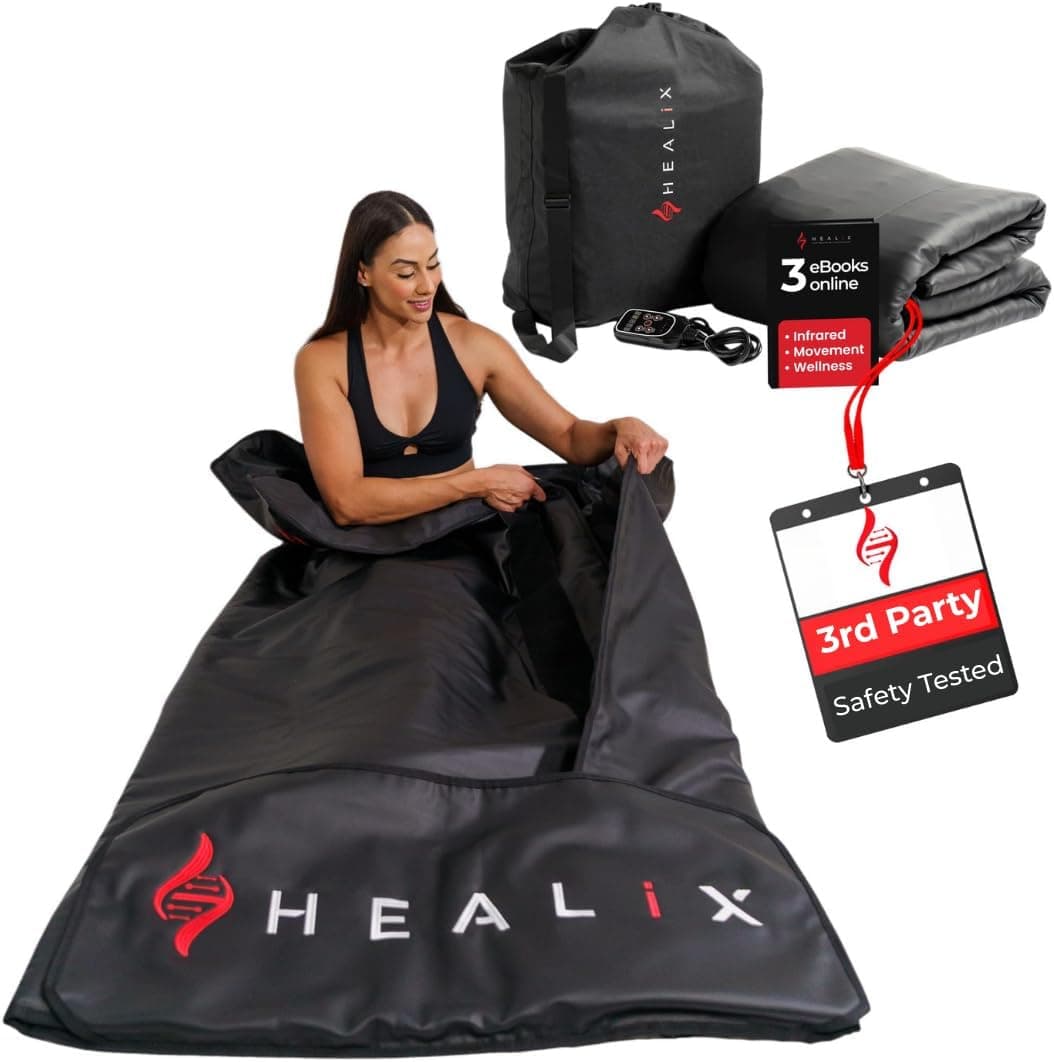
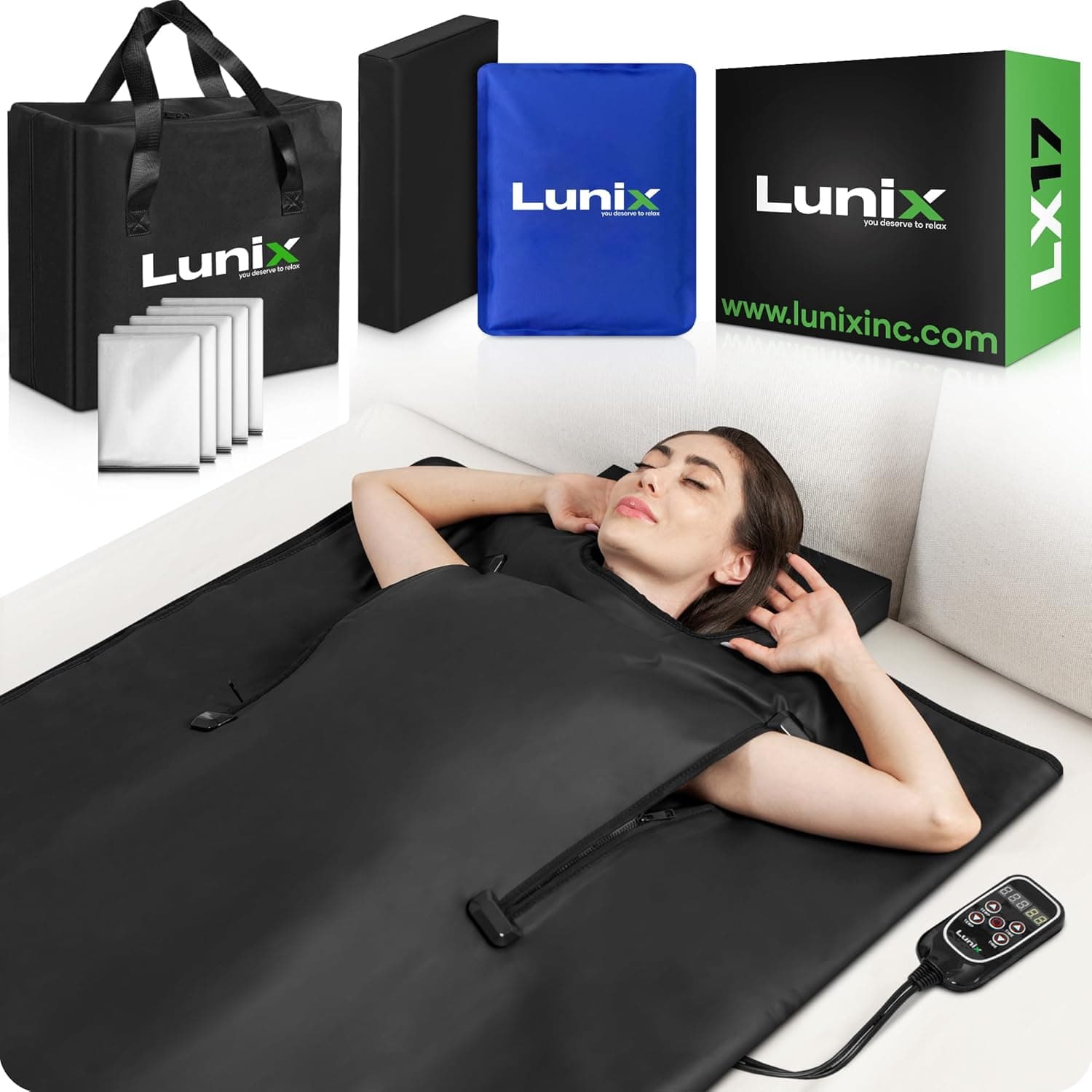
A quality sauna blanket runs $100 to $700, with the middle of the quality distribution at $250 to $450. A single unit lasts 2 to 5 years of regular use depending on build quality and frequency.
A quality one- or two-person infrared sauna cabin for home use runs $1,500 to $5,000 for the unit, plus installation costs, plus ongoing electricity costs that are substantially higher than sauna blanket sessions (cabin sessions draw more power for longer to heat the larger enclosed volume). A cabin lasts 10 to 20 years with reasonable care.
Commercial or premium home cabins (three-person units, full wood construction, advanced feature sets) reach $5,000 to $12,000. These are genuine furniture investments.
Over a 5 to 10 year horizon with regular use, a cabin spread across that period is more expensive than sequential sauna blanket purchases but not by as much as the upfront difference suggests. Over a shorter horizon or if use frequency is uncertain, the blanket is clearly the lower-risk financial commitment.
Space Requirements
A sauna blanket stores folded in a closet or under a bed when not in use. Session use requires a 6-foot clear area to lay out the blanket, plus floor space to lie down. Setup takes 30 to 60 seconds.
A one-person infrared cabin requires a dedicated floor space of approximately 3 feet by 3 feet plus access. Two-person cabins are roughly 4 feet by 4 feet. The space is permanently allocated to the sauna once installed.
For apartment dwellers, people with limited home space, or people who are not certain they will use the unit enough to justify permanent floor allocation, this is usually the deciding factor in favor of the blanket.
Session Experience
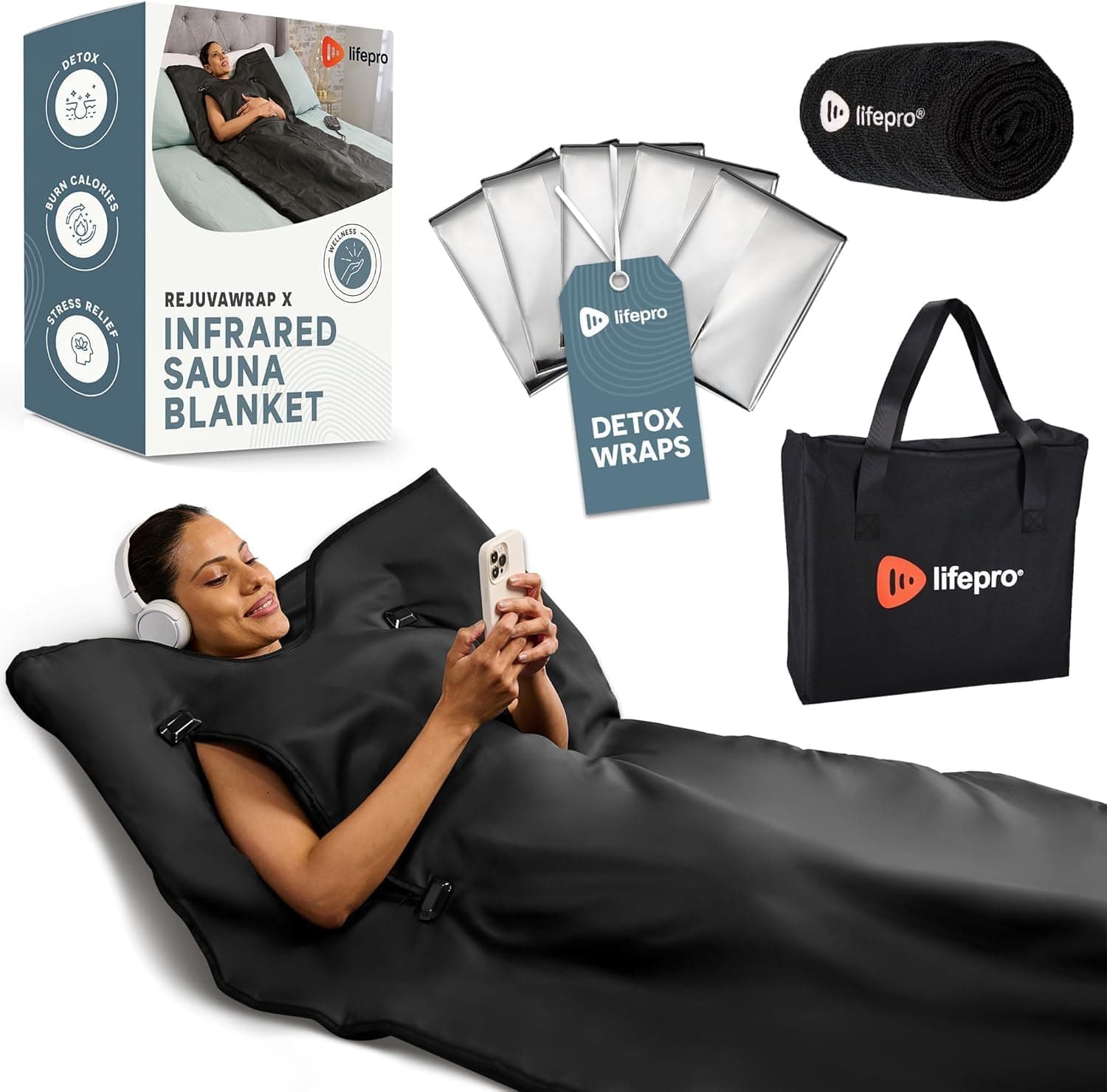
In a sauna blanket, you lie supine fully enclosed from the neck down. Movement is limited. You can listen to music, a podcast, an audiobook, or meditate. With arm-hole designs (like LifePro), you can read or use a phone. You cannot stand up, move around, or easily change positions during the session.
In an infrared cabin, you sit upright on a wooden bench. You can read more easily, adjust posture, wipe sweat, take occasional breaks standing outside the cabin, and generally have more environmental control. Most cabins include music systems, chromotherapy lighting, and other features that create a more elaborate session experience.
For users who find lying still for 30 to 45 minutes meditative and welcome the forced stillness, the blanket format is often preferred. For users who find the enclosure claustrophobic or want more session flexibility, the cabin is preferred.
Sweat Experience
Both formats produce substantial sweating. Cabins tend to produce slightly less intense sweat loss because the exposed head and upper body can dissipate heat more readily, and because session temperatures are generally lower than what a blanket can deliver when fully contained.
A blanket at 65 to 70 degrees Celsius with full body enclosure tends to produce heavier sweating per minute than a 55 to 60 degrees Celsius cabin session. For users specifically chasing the high-sweat experience, blankets can be more intense.
For users who prefer the sweating to be less all-consuming during the session (wanting to read, think clearly, or use the session for mental work), cabins are more compatible with that pattern.
Temperature Range and Session Intensity
A top-tier sauna blanket reaches 80 degrees Celsius at the skin surface when fully enclosed. A typical home infrared cabin runs 50 to 60 degrees Celsius ambient, with effective radiant heat on the body roughly equivalent to a 55 to 65 degrees Celsius blanket session.
For users specifically wanting the highest-intensity heat exposure, a blanket can deliver more intense sessions than most home cabins. For users wanting more moderate, sustainable sessions, cabins are a better default.
Frequency of Use
Sauna blankets have lower friction for daily or near-daily use. Setup is 30 seconds, teardown is 1 minute, and the unit stores away when not in use. For a 4 to 6 sessions per week practice, blankets are practically more sustainable.
Cabins have higher friction per session (preheat time of 15 to 25 minutes, more elaborate ritual) but lower friction for occasional use - no setup required once installed, just step in. For a 2 to 3 sessions per week practice, the cabin's installation-based friction is amortized well.
Many users find that their actual use frequency drops over 3 to 6 months after cabin installation - the novelty fades, the friction becomes more apparent relative to the perceived benefit, and sessions-per-week decline. Blanket users often maintain higher sustained frequency over longer periods.
EMF Profile
Premium cabins with shielded wiring produce low EMF readings similar to quality low-EMF blankets. Budget cabins can produce higher EMF levels than the best blankets. Zero-EMF specifically is achievable in both formats with appropriate engineering but is not the default.
For users specifically prioritizing EMF minimization, either format can meet the goal but requires careful product selection.
Maintenance and Durability
Blankets require wiping the interior after every session and a deeper cleaning periodically. Machine-washable interior designs (like the Noerishia) remove most of this concern. Units typically last 2 to 5 years of regular use.
Cabins require less session-to-session cleaning (sitting on a towel, wiping the bench) but more occasional maintenance - wood care, filter changes on units with air circulation, electronic component servicing over the life of the unit. Cabins typically last 10 to 20 years.

Best Value Alternative to a Cabin
LifePro RejuvaWrap Sauna Blanket
For buyers deciding between a $3,000 cabin and a quality sauna blanket, this is the unit that makes the blanket option feel like a complete solution rather than a compromise. Wide temperature range, 1500+ Amazon reviews, arm holes for during-session flexibility.
Social Use
Cabins accommodate two or three people simultaneously. This matters for couples or households where multiple people want to use the sauna. The shared session experience is its own benefit.
Blankets are inherently single-person devices. Multiple users means multiple blankets, sequential use, or extensive cleaning between users.
Resale and Home Value
Installed cabins add some home resale value and are a more visible lifestyle improvement. Blankets have essentially no resale value relative to their cost.
Who Should Pick a Sauna Blanket
Apartment dwellers or space-constrained home owners. Buyers uncertain about how much they will actually use the unit. Buyers on a budget under $1,000 for total home wellness investment. Buyers who want to start a heat therapy practice and see if it fits before committing. Buyers who want single-person use. Buyers who prefer the lying-supine session format. Buyers who value portability (moving, travel, flexibility in location within the home). Athletes integrating heat with training and using the blanket post-workout at variable locations.
Who Should Pick an Infrared Cabin
Buyers with dedicated space for permanent installation. Buyers planning long-term regular use (5+ years). Multi-person households where shared sessions matter. Buyers with budget of $2,000+ for the full setup. Buyers who want the more elaborate session ritual and environment. Buyers who prefer sitting to lying. Buyers who want the session to feel like a destination rather than a home activity. Buyers specifically interested in the social/lifestyle aspect of sauna practice.
The Hybrid Solution
Some buyers end up with both - a sauna blanket for frequent at-home use (especially post-workout) and access to an infrared cabin (through a gym, wellness club, or spa membership) for occasional more elaborate sessions. This combination provides the highest total utility and is a common pattern among serious users I have corresponded with.
If this is the direction you are heading, starting with the blanket is almost always correct. The blanket gives you immediate, frequent use and helps you learn whether heat therapy is the right practice for your life. A cabin or gym membership can be added later once the practice is established.
The Bottom Line on Sauna Blankets vs Infrared Cabins
The physiological effects are largely overlapping. The form factor, space requirement, cost, session experience, and frequency-of-use profile all differ meaningfully. For the median buyer starting a heat therapy practice, a quality sauna blanket is the better choice - lower cost, lower commitment, higher frequency of use, adequate physiological effect. For the buyer with dedicated space, substantial budget, multi-person use case, and commitment to long-term practice, an infrared cabin is a legitimate investment that pays off over many years.
If you are uncertain, start with a blanket. The worst case is you spend $250 to $500 and discover heat therapy is not your modality. The best case is you establish a sustainable practice and can later decide whether to upgrade to a cabin. The reverse direction - buying a cabin and then not using it enough to justify it - is a much worse outcome financially and practically.