Sauna Blanket Dehydration Risk - The Prevention Guide
The single most common adverse effect of sauna blanket use is dehydration, and the single most underestimated threat to a safe and effective practice is the cumulative fluid deficit that builds over multiple sessions when the post-session recovery is handled carelessly. I have tracked my own hydration markers for three years of consistent sauna blanket use and collected hundreds of reader reports, and the pattern is clean: the users who have problems are almost always the users who treat water intake as an afterthought. This article is the complete prevention guide - the physiology of what is actually happening, the sweat volume numbers that matter, the electrolyte story that plain water cannot solve, and the protocol that eliminates almost every dehydration-related complication.
How Much Fluid You Actually Lose in a Session
A typical 45-minute sauna blanket session at 60 to 65 degrees Celsius produces between 500 milliliters and 1.2 liters of sweat for an average adult. The variables that push you toward the higher end are body mass, starting hydration, ambient room temperature, session temperature, session duration, and individual sweat response (some people are high-responders, some are low-responders, and the distribution is wide).
To put those numbers in context, a 500 milliliter sweat loss is roughly 0.7 percent of body weight for a 70 kilogram adult. A 1.2 liter loss is roughly 1.7 percent of body weight. The performance and cognition literature on hydration has documented measurable impairment at 2 percent dehydration, with progressive worsening above that. A single 45-minute session at the high end of the sweat-loss distribution can put you in that impairment zone if you started already slightly underhydrated.
More important: the losses stack across sessions if recovery is incomplete. Three sessions across a week at 800 milliliters each, with only 500 milliliters replenished after each session, puts you 900 milliliters cumulatively short by the weekend. The symptoms people experience - persistent fatigue, dull headache, concentrated urine throughout the day, reduced exercise tolerance, subtle cognitive fog - are not from any single session but from the cumulative deficit.
The Physiology of Heat-Induced Fluid Loss
Sweat is not pure water. A typical sweat profile contains sodium (30 to 65 mmol/L), chloride (30 to 55 mmol/L), potassium (3 to 7 mmol/L), and smaller amounts of calcium, magnesium, and other electrolytes. The sodium concentration is particularly important because sodium is the primary determinant of extracellular fluid volume.
When you lose sweat during a session, you lose water and sodium together. If you replace the water alone (plain water, no electrolytes), your plasma sodium concentration can dilute. Your body responds by excreting the water rather than retaining it, so you pee out what you just drank instead of restoring your fluid volume. This is why post-sauna fluid replacement needs to be isotonic or near-isotonic - water plus electrolytes - rather than plain water. In extreme cases of aggressive plain-water rehydration after heavy sweat losses, acute symptomatic hyponatremia (low sodium) can develop, though this is rare at the session volumes discussed here.
The practical implication is that the total sodium content of your post-session fluid replacement matters as much as the water volume. A pinch of salt in your water, an electrolyte powder, or a low-sugar sports drink gives you the sodium that pure water does not. For heavy sweaters especially, this is not optional.
The Dehydration Symptom Progression
Mild dehydration (1 to 2 percent body weight loss) produces thirst, dry mouth, darker urine than baseline, mild headache, and fatigue. Mental performance begins to measurably decline. This is where most sauna blanket users sit at the end of an unreplaced session.
Moderate dehydration (2 to 4 percent) produces pronounced thirst, significantly reduced urine output, dry skin that tents when pinched, elevated heart rate, cool or clammy skin, dizziness on standing, and more substantial cognitive impairment. Physical performance drops meaningfully. Some sauna blanket users reach this state after a long session or an inadequately replaced one.
Severe dehydration (above 4 to 5 percent) produces no sweating despite heat, severely reduced urine output, rapid breathing, persistent dizziness, confusion, and in extreme cases shock. This is uncommon in sauna blanket use but can occur in vulnerable individuals or in extended multi-session use without adequate replacement.
The signs to watch for in the 24 hours after a session: urine color (pale straw yellow is target; darker than apple juice is a signal), morning body weight (if you are 0.5 kg or more below your typical morning weight the day after a session, you have not rehydrated), thirst persistence, fatigue, and headache.
Pre-Session Hydration - More Important Than You Think
The hydration state you enter a session with determines how much of the cumulative deficit you will experience. Entering a session already at mild dehydration (which is where most adults actually live if they are honest about their fluid intake) means that the session pushes you straight into moderate dehydration territory.
The pre-session protocol I recommend: drink 500 milliliters of water in the hour before the session. Add 250 to 500 milliliters of an electrolyte solution in the 30 minutes before starting. This gives your gut time to absorb the fluid (about 20 to 30 minutes for effective absorption) and ensures you enter the session with euvolemic status. If you are a heavy sweater or running a longer session, scale the pre-session intake upward.
Do not enter a session in a fasted or volume-depleted state - waking up, skipping morning fluids, and running a pre-breakfast session is a recipe for orthostatic events. If you prefer morning sessions, do 500 milliliters of water with a pinch of salt and a squeeze of citrus 30 minutes before, and eat something light before the session.

Best for Hydration Management During Sessions
LifePro RejuvaWrap Sauna Blanket
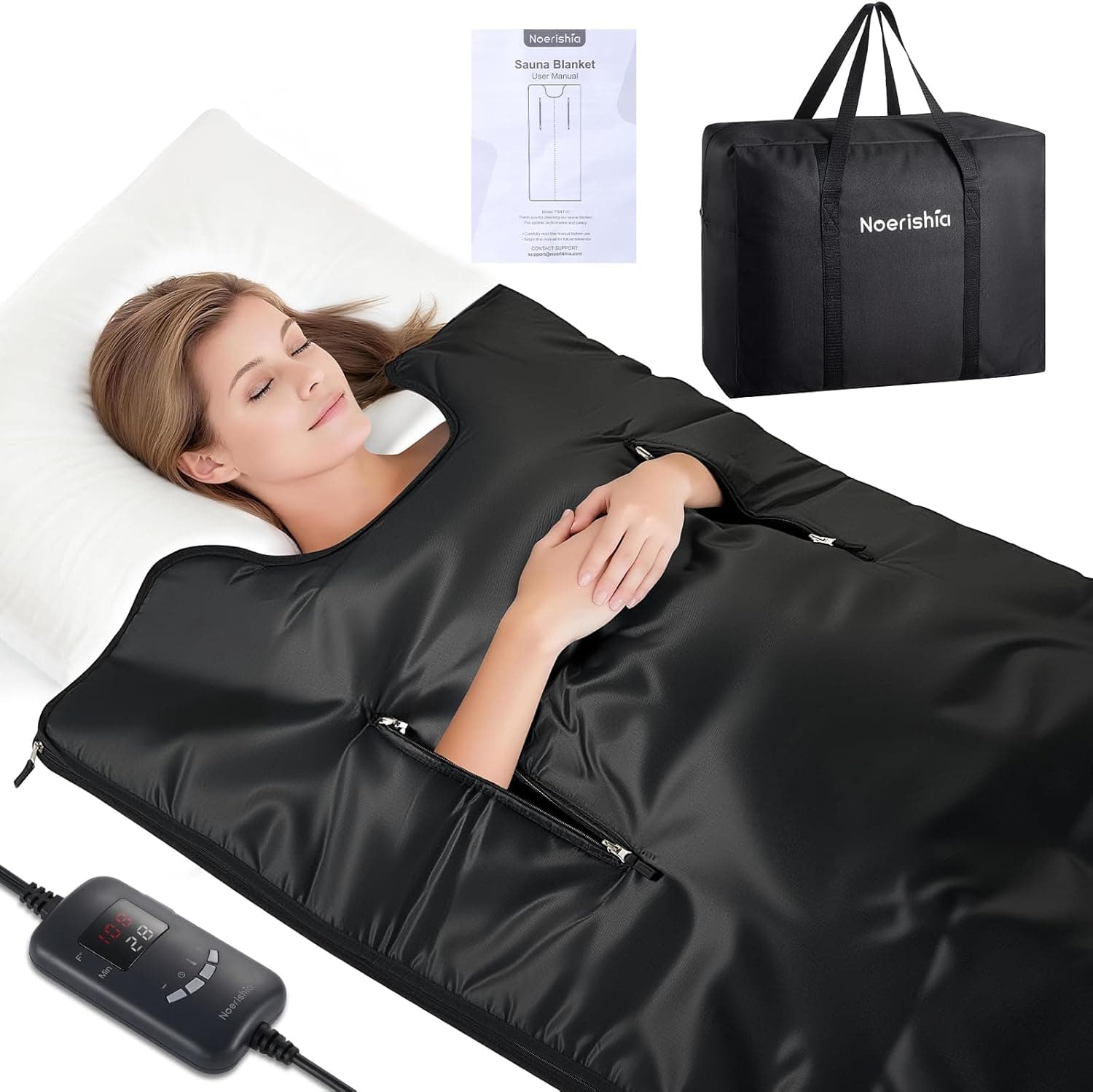
The arm-hole design is what actually matters for hydration protocol. You can reach a glass or a bottle of water throughout the session without having to open and re-zip, which means you actually drink during the session instead of waiting until afterward. Small design detail, large behavioral difference.
During-Session Hydration
Sipping fluid during a session keeps the fluid loss more gradual and reduces the magnitude of the post-session deficit. The practical target: 250 to 500 milliliters of water or electrolyte solution during a 45-minute session, taken in small sips every 5 to 10 minutes. The arm-hole design on several premium blankets (including LifePro's RejuvaWrap) makes this much easier to actually do; without arm holes, you need to exit the blanket briefly to drink, which most people avoid and therefore skip the during-session intake.
Cool water is fine but extremely cold water can occasionally produce a cramping or thermoregulatory response that is uncomfortable. Room temperature or slightly cool is a safer default.
Post-Session Rehydration
The 2 hours after a session is the critical window. Drink 500 to 750 milliliters of fluid with electrolytes in the first hour, another 500 milliliters over the second hour. If you are a heavy sweater or the session was long, push those volumes upward. Aim for pale straw yellow urine within 3 to 4 hours of the session as the marker of adequate replacement.
Weigh yourself before the session and 30 minutes after. Every kilogram of weight difference represents roughly 1 liter of fluid loss that needs to be replaced. Aim to replace 125 to 150 percent of the weight deficit over 4 to 6 hours post-session (the extra 25 to 50 percent covers ongoing insensible losses and renal handling).
Electrolyte replenishment is not optional for heavy sweaters or longer sessions. A quality electrolyte powder (look for one with 300 to 500 mg of sodium per serving and a potassium-to-sodium ratio around 1:4), a homemade mix of water with a quarter teaspoon of salt and some citrus juice, or coconut water plus a pinch of salt all work. Plain water alone after a heavy sweat session is suboptimal at best and can contribute to dilutional problems at worst.
Populations With Amplified Dehydration Risk
Several groups need to be more careful than average with sauna blanket hydration management.
People on diuretics for hypertension or heart failure. The baseline fluid volume reduction stacks with sauna-induced loss. Hydrate more aggressively and consider discussing session parameters with your physician.
People on SGLT2 inhibitors for diabetes. The baseline osmotic diuresis adds to sauna-induced loss.
Older adults (65+). Thirst sensation is blunted with aging, and the volunteer state of mild dehydration is common. Scheduled hydration (clock-based rather than thirst-based) is a better approach.
Pregnant women (who should not be using sauna blankets, but the dehydration risk is one reason among several). Pregnancy physiology is sensitive to fluid volume changes.
People with a history of kidney stones. Dehydration is a primary driver of stone formation, and stacking sauna losses on top of a low-volume baseline pushes risk upward.
People in hot climates or warm seasons. The ambient sweat load adds to the session load.
Children (who should not be using sauna blankets). Thermoregulatory reserve is lower.
Signs of Acute Dehydration to Watch For
During or immediately after a session, the signals that indicate meaningful dehydration and call for immediate fluid intake (and possibly session termination) are: persistent thirst that is not satisfied, dizziness that persists past the normal exit window, rapid heart rate that does not return toward baseline within 10 minutes, headache that emerges during the session, muscle cramping, nausea, or cool clammy skin. Stop, rehydrate aggressively, rest, and reassess. If symptoms do not resolve within 30 minutes of aggressive oral rehydration, a brief medical evaluation is appropriate.
The Electrolyte Story - Beyond Sodium
Sodium is the most important electrolyte in sauna recovery, but it is not the only one. Potassium, magnesium, and calcium all have smaller but meaningful roles.
Potassium supports cellular function and muscle performance. Magnesium contributes to muscle relaxation and sleep quality - a common benefit reported by sauna users that is probably partially mediated by better magnesium status in people who use quality electrolyte mixes. Calcium supports neuromuscular function and cardiac rhythm.
A quality electrolyte mix will have all four in reasonable proportions. For heavy sauna users, I suggest a daily electrolyte habit rather than only on session days - this smooths out the cumulative electrolyte balance and makes individual session recovery less critical.
What Not to Drink
Several fluid choices are suboptimal for sauna recovery. Alcohol is the worst - it is itself a diuretic, it impairs thirst signaling, and it compounds every risk on this list. Skip alcohol for several hours around session times. Caffeine in moderation is tolerable, but heavy caffeine intake immediately after a session can add to the cardiovascular load. Sugary drinks (regular soda, juice, many sports drinks) provide hydration but add a glucose load that some users do not want; for pure rehydration, lower-sugar options are better.
Plain water alone for heavy sweat sessions, as discussed, is suboptimal for electrolyte reasons. It is fine for short sessions with modest sweat loss, but once you are producing meaningful sweat volumes, electrolyte replenishment becomes important.
The Bottom Line on Sauna Blanket Dehydration
Dehydration is the most common, most underestimated, and most easily preventable adverse effect of sauna blanket use. The 45-minute session at typical parameters produces 500 to 1200 milliliters of fluid loss that is not just water - it is water plus significant sodium and other electrolytes. Replacing only the water fails. Replacing only on session days and ignoring cumulative deficit also fails for regular users.
The protocol that works is straightforward: 500 milliliters of water before the session, 250 to 500 milliliters during (if your blanket allows during-session access), and 750 to 1500 milliliters of electrolyte-containing fluid over the two hours after. Adjust upward for heavy sweaters, long sessions, diuretic users, or warm environments. Track urine color and morning body weight as your feedback signals. With this protocol, dehydration-related side effects become rare even in frequent users.
References
- American College of Sports Medicine Position Stand on Exercise and Fluid Replacement. Med Sci Sports Exerc. PubMed 17277604
- Sawka MN et al. Hydration effects on physiological and performance function. J Appl Physiol. PubMed
- Baker LB. Physiology of sweating and the composition of human sweat. Temperature (Austin). 2019. PubMed 31608304
- Armstrong LE. Performance in extreme environments - fluid and electrolyte replacement. Int J Sport Nutr Exerc Metab.
Related Reading
Informational only. Adjust hydration protocols with your physician if you are on medications affecting fluid or electrolyte balance.