Sauna Blanket Insert Towels - Materials, Brands, and Why They Matter
The insert towel is one of the most under-discussed but functionally critical components of a sauna blanket practice. It is a thermal barrier, a hygiene layer, a comfort buffer, and a longevity-extension tool for your blanket. Users who skip it or use the wrong material routinely experience problems that they attribute to the blanket itself when the real issue is the missing or inadequate liner. I have tested a range of insert materials and brands over three years of regular use. Here is the practical guide to what works, what does not, and why this small accessory matters more than most buyers realize.
What the Insert Towel Actually Does
The insert towel serves four functions.
First, it provides a thermal barrier between the blanket's heating elements and your skin. In blankets with uneven heat distribution or hotspot tendencies, the towel prevents first-degree burns from prolonged contact with a hot band. In blankets with very even heat distribution, the towel still smooths the thermal delivery by absorbing and re-radiating heat more evenly than direct contact.
Second, it absorbs sweat during the session. Without a towel, sweat accumulates in the bottom of the blanket, saturating the interior surface and degrading the materials over time. With a towel, most of the sweat is absorbed into the towel, which can be washed easily.
Third, it creates a hygiene layer. The interior of a sauna blanket is a warm moist environment after a session - exactly the conditions that support bacterial and fungal growth. A clean towel between your skin and the blanket interior reduces the microbial load you introduce and makes regular cleaning more effective.
Fourth, it substantially extends the life of your blanket. Without a liner, sweat degradation of the interior surfaces reduces the functional life of the unit by years in high-frequency use. A well-used towel-lined blanket lasts much longer than an identical unit used without a liner.
Material Options and How They Perform
100 percent cotton (the standard recommendation). Cotton absorbs moisture well, holds it away from the skin during the session, and washes cleanly. The main downside is that heavy sweating saturates the towel; a longer session produces a genuinely wet towel by the end. Cotton is the material most blanket manufacturers ship with their units and the one the majority of users prefer.
Cotton-polyester blends. Blends absorb less water than pure cotton but dry faster. They can feel less pleasant against the skin for some users. Functionally adequate but usually a downgrade from pure cotton.
Microfiber. Highly absorbent, fast-drying. Some microfiber feels slightly synthetic or "slick" against the skin, which some users dislike. Durable in wash cycles. Good option for users doing high-frequency sessions and wanting faster turnaround between washes.
Bamboo fiber. Soft feel, reasonable absorbency. Naturally antimicrobial claims (limited evidence but some support). Premium pricing. A good option for users prioritizing the feel and the antimicrobial angle.
Linen. Highly breathable, absorbent, durable. Feels coarser than cotton. Works well for some users; feels scratchy to others. Uncommon as a sauna blanket liner but occasionally used.
Silk. Impractical. Does not handle the moisture or heat load of a sauna blanket session. Not recommended.
Specialized sauna liners (bamboo-cotton blends, infused fibers). Brands like HigherDOSE and others sell proprietary liner products. These generally work well and sometimes add features (antimicrobial treatments, specific weave patterns). Premium pricing. Worth considering if you value the branded integration.
Size and Fit Considerations
The towel needs to cover the interior surface from your neck to your feet. Standard bath towels (27 by 52 inches) are marginal for this - they cover you but with little overlap. A larger towel (like a beach towel at 30 by 60 inches or larger) provides better coverage and better absorption.
For users over 6 feet tall, coverage becomes a real issue. A standard bath towel does not reach both the neck and the feet simultaneously. Either use two towels (one upper, one lower) or buy a specifically large liner designed for the blanket size.
Width should be sufficient to extend to the sides where you touch the blanket interior. A narrow towel leaves your arms and hips in direct contact with the blanket - defeating the liner purpose. Aim for coverage that exceeds your body width by at least 6 to 8 inches on each side.
The Brands Worth Considering
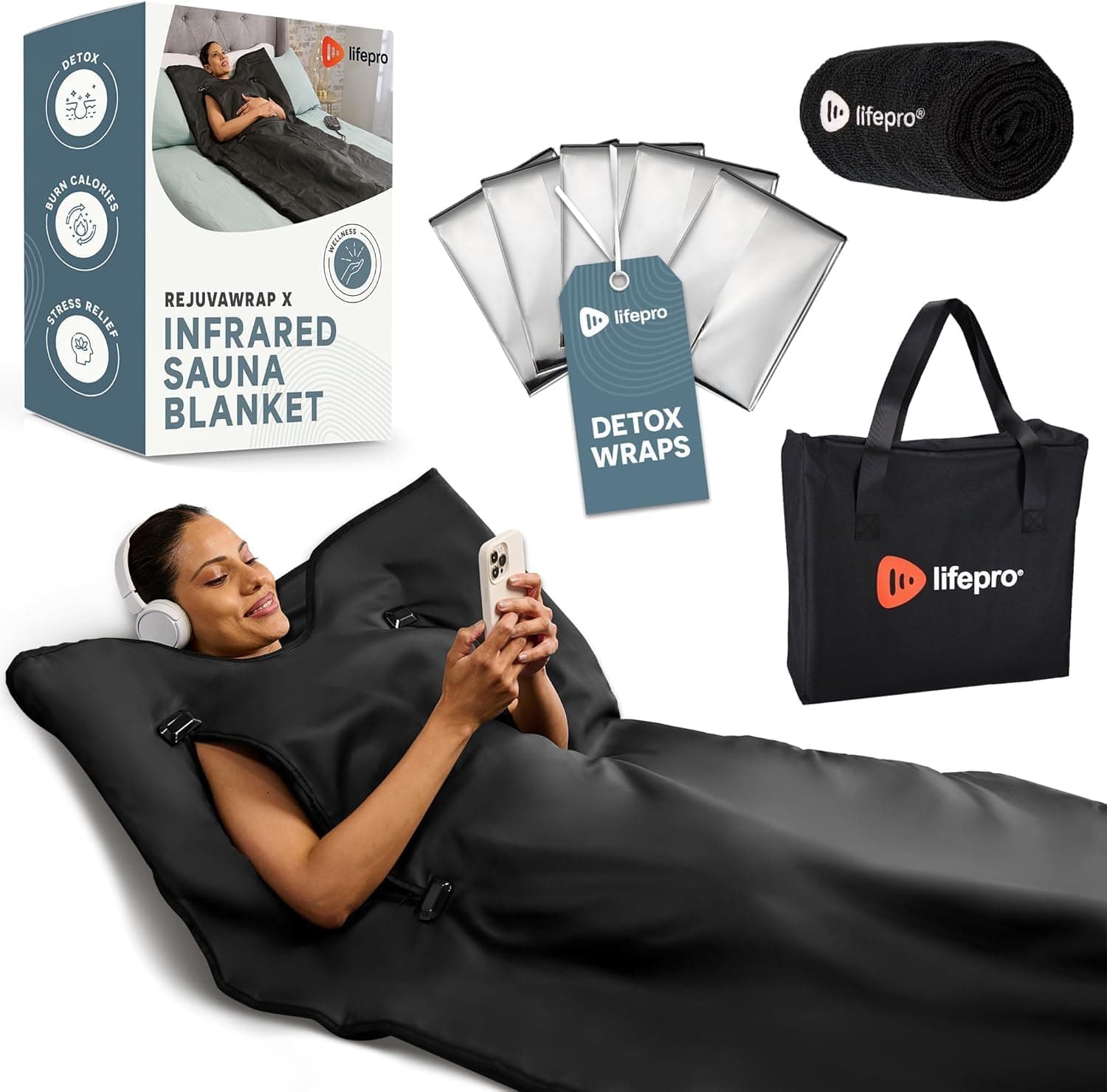
Manufacturer-supplied liners. Many quality blankets (LifePro, HigherDOSE) ship with a cotton liner in the box. These are typically adequate size and material. For users who are happy with the included liner, no additional purchase is necessary.
Generic cotton bath sheets. A large 100 percent cotton bath sheet (30 by 60 inches or larger) from any retailer works functionally. Target, Costco, Walmart, and most home goods retailers sell acceptable options for $15 to $30.
HigherDOSE Cotton Towel Insert. Proprietary liner sized for their V4 blanket. Premium pricing (typically $50+). Good quality, works well, branded integration.
Turkish cotton bath sheets. High-end cotton with good absorbency and a luxurious feel. Premium pricing but long-lasting.
Bamboo hotel-style bath sheets. Options from brands like Cariloha or specialty bamboo retailers. Good combination of feel and absorbency.
Rotation and Washing
One towel is not enough for regular use. Plan for at least 2 to 3 towels in rotation so you can have a clean dry one ready while one is in the wash.
Wash after every session on warm water with regular detergent. Heavy sweat loads benefit from an occasional deeper clean - white vinegar added to a wash cycle every 10 to 15 washes helps break down accumulated detergent residue and reduces the dingy gray appearance that cotton develops over time.
Avoid fabric softener on sauna towels. It reduces absorbency over time. The goal is maximum moisture handling, not a fluffy feel.
Dry fully before reuse. A damp towel going back into the blanket creates a breeding ground for microbes. Line drying in sun is ideal when practical; tumble dry on medium heat is fine otherwise.
Replace towels when they stop absorbing well (typically after 12 to 24 months of 3+ sessions per week). A towel that feels perpetually damp even after thorough drying has probably degraded and should be cycled out.

Best Bundled Accessory Package
LifePro RejuvaWrap Sauna Blanket
Ships with a cotton insert towel plus 5 disposable thermal wraps - the most comprehensive accessory bundle I have seen in the category. For users wanting to start without a separate towel purchase, this is the best value in the mid-market tier.
Disposable Thermal Wraps
Some blankets (including LifePro) ship with disposable plastic thermal wraps intended to be placed between skin and blanket, discarded after use. These serve a slightly different purpose than cotton towels.
Pros: zero cleanup, hygienic, each session gets a fresh barrier, contains sweat more completely than a towel.
Cons: single-use plastic generates waste, can feel clammy and uncomfortable against the skin, limits evaporative cooling and traps more heat (which some users want, others find uncomfortable), ongoing cost.
My practice: I use a cotton towel for most sessions and occasionally use a disposable wrap when traveling or when I want a particularly high-sweat session with maximum thermal containment. For daily home use, cotton is the better default.
Do Not Skip the Towel
The most common mistake I see in reader reports is running sessions without a towel, either because the buyer did not realize it matters or because they thought it was optional comfort feature. It is neither optional nor primarily about comfort. Sessions without a liner produce:
Higher risk of skin burns from heating element hotspots. First-degree burns from sauna blanket sessions are almost always in this population.
Faster degradation of the blanket interior. Sweat damages the interior materials. A unit used consistently without a liner may need replacement in 18 months where a liner-used unit would last 4 to 5 years.
Hygiene issues. Skin cells, sweat residue, and microbial load accumulate in the blanket interior. Cleaning becomes harder and less effective.
Worse subjective experience. Sticky wet interior contact is unpleasant, contributes to session discomfort, and in my experience correlates with users abandoning their sauna practice earlier than they otherwise would.
If you are starting a sauna blanket practice, buy a quality cotton bath sheet (or use the one in the box if your unit includes one) and use it every single session. This is not the step to optimize away.
Special Considerations for Sensitive Skin
Users with sensitive skin, eczema, psoriasis, or other skin conditions should pay particular attention to the towel material and laundry products. Choose unscented detergent. Rinse thoroughly. Avoid fabric softeners (which often contain fragrances and compounds that can irritate sensitive skin). Consider a second towel immediately over affected skin areas as an additional barrier.
For users with allergic contact dermatitis to cotton (rare but real), bamboo or a premium synthetic alternative may work better.
Temperature and Absorbency Tradeoffs
A heavier towel absorbs more sweat but also insulates you more from the direct heat of the blanket. A lighter towel absorbs less but lets you feel the heat more directly. The tradeoff is modest but real.
For maximum thermal delivery (when chasing high sweat sessions for athletic or weight-focused reasons), a lighter thinner towel lets more of the heat through to your skin.
For maximum comfort and sweat management, a heavier bath sheet is preferable.
For the median user, a mid-weight cotton bath sheet of about 500 to 600 grams per square meter is the right balance.
The Bottom Line
Your sauna blanket insert towel is an important functional component of the setup, not a cosmetic accessory. A quality cotton bath sheet (or the manufacturer-supplied liner) used on every session provides thermal protection, sweat absorption, hygiene, and substantial extension of the blanket's useful life. Have 2 to 3 towels in rotation. Wash after every session. Replace when they stop absorbing well.
For users wanting to optimize, upgrade from a standard bath towel to a larger bath sheet with good coverage. For users wanting a premium experience, bamboo or high-end Turkish cotton are worth considering. For most users, any 100 percent cotton bath sheet of adequate size from any retailer works well.