Sauna Blanket vs Sauna Suit vs Hot Yoga - The Honest Sweat Comparison
I get asked whether a sauna blanket is "really that different" from a sauna suit worn during exercise or a hot yoga class. These three modalities all produce substantial sweating, but they are otherwise meaningfully different in what they actually deliver to the body, who they work for, and what benefits you should expect. This article is the honest comparison between the three most common sweat-focused interventions - how they produce heat, who they suit, the physiological overlaps, and the specific risks each carries.
How Each Produces Heat
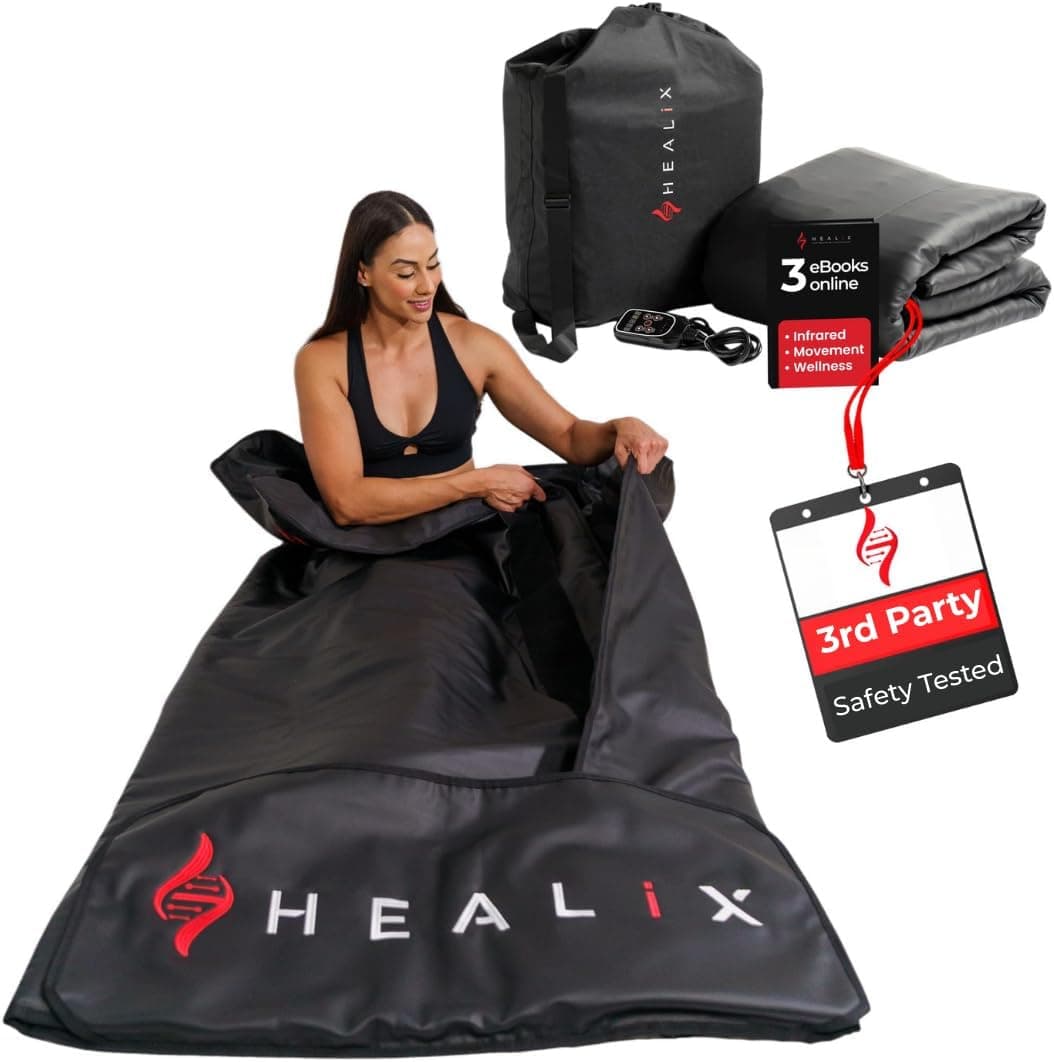
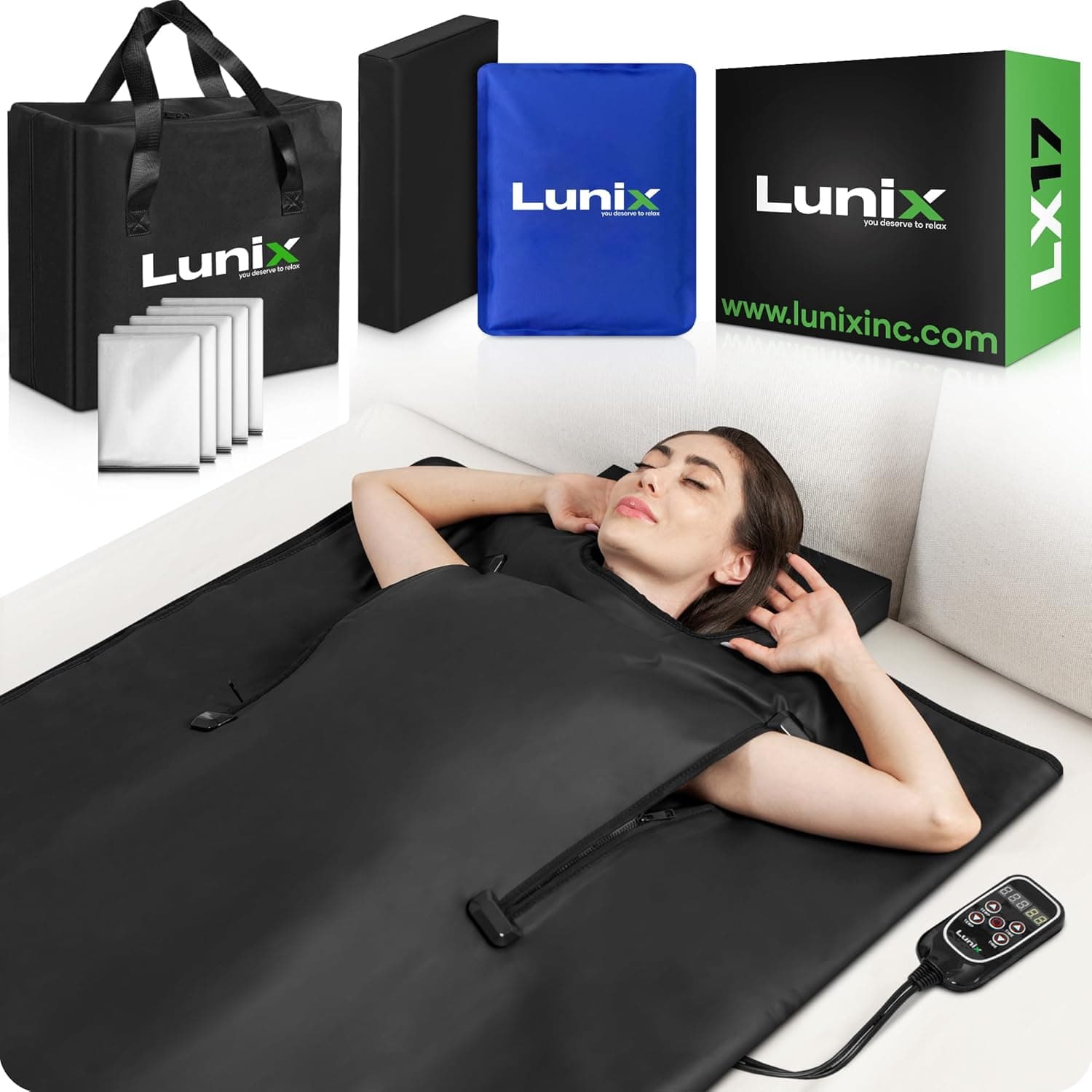
A sauna blanket applies external far-infrared radiation directly to the skin. Heat penetrates several centimeters into tissue through radiative transfer. Core body temperature rises progressively over 15 to 30 minutes. Sweating is a thermoregulatory response to the external heat load. The user is otherwise at rest.
A sauna suit (a neoprene or plasticized exercise garment) prevents evaporative cooling during exercise. Body heat generated by muscle activity accumulates because sweat cannot evaporate. Core temperature rises from the combined metabolic heat production and the suit's insulating effect. The user is actively exercising during the session.
Hot yoga is performed in a heated room (typically 32 to 40 degrees Celsius for general hot yoga, up to 40 to 42 degrees Celsius for Bikram). The external room temperature and humidity slow evaporative cooling while the user generates metabolic heat through yoga practice. Core temperature rises from combined ambient and metabolic load.
All three modalities raise core temperature and produce sweating, but the biological signaling generated in each case differs meaningfully.
The Biological Signaling Differences
Sauna blanket sessions generate passive heat acclimation adaptations - plasma volume expansion, improved thermoregulatory efficiency, heat shock protein induction, parasympathetic shift over weeks - without the concurrent stress of exercise. This isolated thermal signaling is what the cardiovascular and wellness research on sauna is actually measuring.
Sauna suit exercise combines metabolic stress (the exercise itself) with thermal stress (the insulating suit). The signaling is dominated by the exercise component. The thermal signaling is real but smaller than in a pure-heat modality because the user is simultaneously cooling through sweat production (which cannot evaporate efficiently).
Hot yoga combines moderate exercise stress with moderate thermal stress. The signaling is a mix of both. Users benefit from the yoga practice itself and modestly from the heat exposure.
For users specifically wanting heat acclimation, cardiovascular adaptation, sleep improvement, or other evidence-based sauna benefits, a sauna blanket delivers cleaner heat signaling than either of the exercise-combined alternatives. For users wanting to combine heat with exercise, hot yoga or sauna-suit work is more practical.
Weight Loss Comparison
Short-term weight loss from any sweat session is water weight that returns on rehydration. None of the three modalities produces meaningful fat loss from the sweat itself. This is a common source of confusion.
Sauna blanket sessions may slightly boost metabolic rate during and shortly after the session. The Hoekstra 2025 acute-response data showed heart rate and cardiovascular metabolism elevating to levels similar to moderate aerobic exercise. This is a modest caloric effect (typically estimated at 300 to 500 additional calories per hour of session, though the evidence is variable).
Sauna suit use during exercise does not meaningfully change the caloric expenditure of the exercise itself but does increase subjective effort and thermal load. The additional fat loss claims for sauna suit use are not supported by controlled research.
Hot yoga burns calories at approximately the same rate as regular yoga plus a modest increment from the additional thermoregulatory work. The heat does not fundamentally change the energy expenditure of the yoga itself.
For weight loss specifically, none of these three modalities is efficient. Diet and regular exercise, with appropriate caloric context, produce sustainable fat loss. Any of these modalities can be part of a broader wellness plan but should not be chosen primarily for weight loss outcomes.
Cardiovascular Adaptation
The strongest evidence base for cardiovascular benefit sits with passive heat exposure - sauna bathing and, by extension, sauna blanket use. The Finnish prospective cohort data (Laukkanen and colleagues) showed dose-response reductions in sudden cardiac death, fatal heart disease, and all-cause mortality with frequent sauna use in a population where this was isolated passive heat exposure.
Hot yoga has cardiovascular benefits primarily driven by the yoga practice itself, with a secondary contribution from the heat environment. The heat component amplifies the cardiovascular demand modestly.
Sauna suit use during exercise does not have a cleanly separable cardiovascular adaptation evidence base beyond what the exercise itself provides. It may produce additional plasma volume expansion adaptations similar to heat acclimation, though the trial data is limited.
Risk Profiles
Sauna blanket risks (discussed in detail in our side effects article) center on dehydration, overheating, cardiovascular strain in vulnerable patients, and hypotension. Risks are manageable with proper protocol. Session intensity is controllable.
Sauna suit risks during exercise are meaningfully higher. The combination of exercise metabolic heat, external thermal insulation, and inability to dissipate heat through sweat evaporation can produce heat exhaustion and heat stroke faster than either stressor alone. There are documented cases of fatal heat stroke in athletes cutting weight with sauna suits. The risk is particularly high when combined with fluid restriction, which is a common practice in weight-cutting combat sports. Sauna suits should be used with extreme caution if at all, and the practice of cutting weight with sauna suits is not a clinically endorsed practice.
Hot yoga risks include orthostatic symptoms, heat exhaustion in less heat-adapted practitioners, and dehydration. Less severe than sauna suits because the exercise intensity is moderate and users can self-regulate more easily. Quality studios have protocols for monitoring participants.
Convenience and Cost
Sauna blanket: one-time purchase of $100 to $700. At-home use with 30-second setup. Unlimited sessions for the cost of electricity. 2 to 5 year lifespan.
Sauna suit: one-time purchase of $20 to $100 for a quality unit. At-home or at-gym use during any workout. Very low cost per session. Short-to-medium lifespan depending on intensity of use.
Hot yoga: class pass or studio membership. Typical pricing $20 to $30 per drop-in class or $120 to $250 per month for unlimited. Multiple sessions per week required for meaningful adaptation.
Over 12 months of 3 sessions per week practice, approximate costs: sauna blanket $400 one-time, sauna suit $80 one-time (plus ongoing exercise wear), hot yoga $1500 to $3000.
Who Should Pick What
Sauna blanket is the right primary modality for users wanting the cardiovascular and wellness benefits of heat therapy, cost-effective home practice, consistent temperature-controlled sessions, and integration with a range of other practices (exercise on different days, meditation during sessions, sleep-focused evening use). The majority of users asking this question are best served by the blanket option.
Sauna suit is the right modality for users wanting to add a heat component to their existing exercise practice with minimal additional cost or equipment, not as a primary tool for weight loss or cardiovascular adaptation. Use with caution, adequate hydration, and awareness of the elevated heat illness risk.
Hot yoga is the right modality for users wanting a structured group practice with yoga benefits, heat exposure, and external accountability. The yoga itself is the primary benefit; the heat is a supplement.
Users wanting to optimize across these can integrate them: a sauna blanket at home as the primary heat therapy tool, occasional hot yoga for the social and practice aspects, and minimal or no sauna suit use except in specific athletic contexts with clinical oversight.

Best Primary Heat Therapy Tool
LifePro RejuvaWrap Sauna Blanket
For users choosing among blanket, sauna suit, and hot yoga, the blanket is the cleanest and most cost-effective primary modality. Most-reviewed unit on Amazon, mid-market pricing, wide temperature range, arm-hole flexibility.
Specific Use Cases Compared
For cardiovascular adaptation: Sauna blanket. Cleanest signaling and best evidence base.
For a regular exercise practice (yoga specifically): Hot yoga or non-heated yoga. Primary benefit is the yoga.
For weight cutting (athletic competition): None of these are endorsed by sports medicine. Sauna suits are used in combat sports but with serious safety concerns.
For general sweating "because it feels good": Any of the three. Individual preference.
For sleep improvement: Sauna blanket. Evening timing of a controlled session is ideal for the sleep mechanism.
For social / group wellness practice: Hot yoga. The community aspect is genuine.
For muscle recovery post-workout: Sauna blanket. The passive heat targets recovery without adding exercise stress.
For flexibility and joint mobility: Hot yoga (the yoga practice addresses flexibility directly). Sauna blanket provides complementary muscle relaxation.
For low-budget occasional use: Sauna suit (if you already exercise regularly). Total cost is lowest.
The Bottom Line
Sauna blanket, sauna suit, and hot yoga all produce sweating but deliver different biological signaling, cost profiles, and practical use patterns. For most users wanting the benefits discussed in our evidence-based articles - cardiovascular adaptation, sleep improvement, stress reduction, recovery, pain management - the sauna blanket is the primary recommendation with the cleanest evidence base and best convenience.
Sauna suit use is specialized and carries higher risks. Hot yoga is excellent as a yoga practice where heat is a supplement. These tools are not direct substitutes for each other; they serve different purposes and can be used together thoughtfully.